

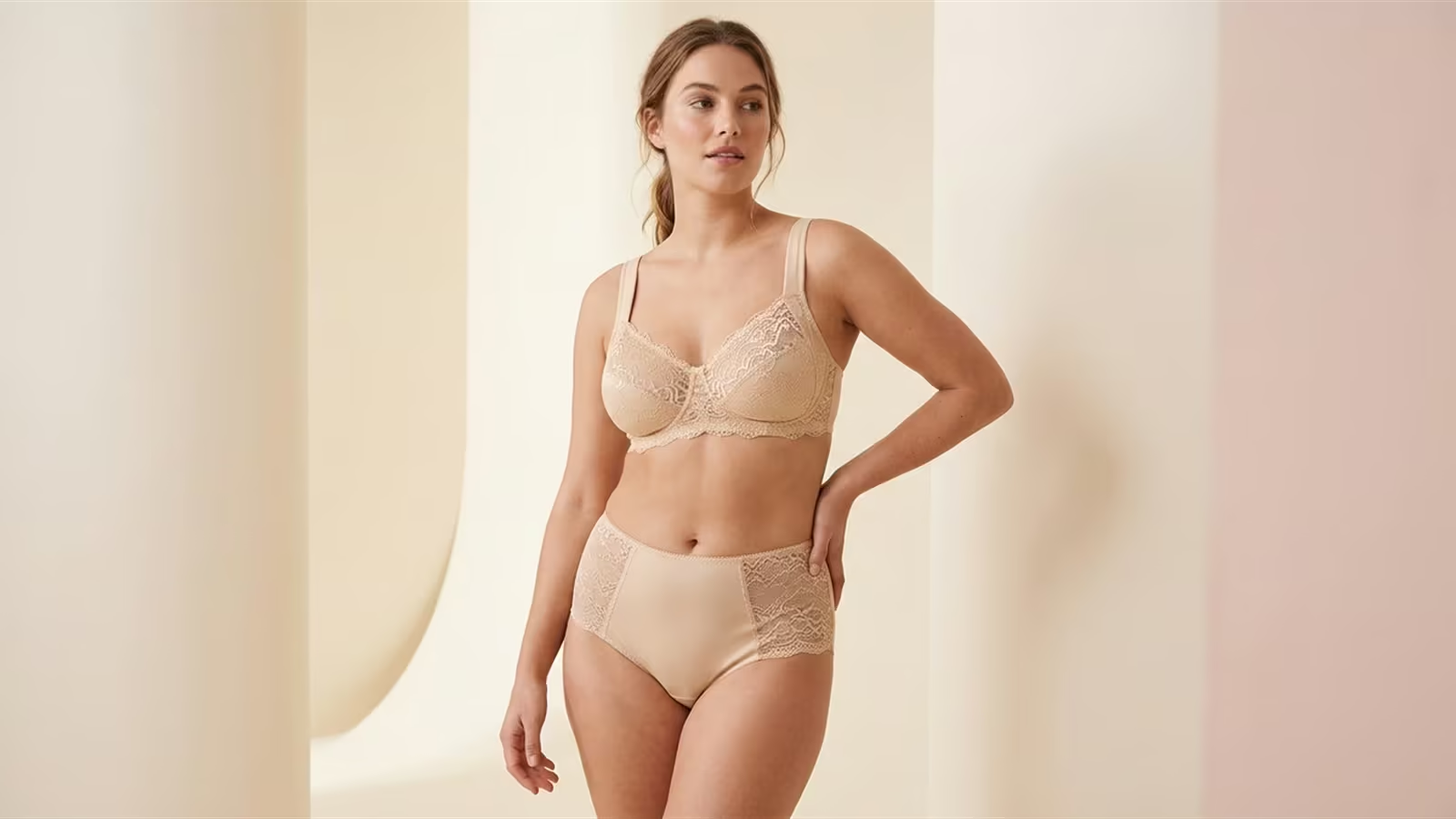
Open most women’s lingerie drawers in Dubai, Riyadh or Jeddah and you will find the same quiet problem: a pile of bras that all look similar, and one or two pieces actually loved. The result is decision fatigue every morning and a habit of reaching for the same bra whether the day calls for a gym session, a long office day under an abaya, or a relaxed Sunday at home. The fix is not buying more of the same. It is understanding the difference between a bralette and a structured bra, and matching each one to the right moment.
This guide breaks down exactly what separates a bralette from a bra: how each is built, how much support each provides, how sizing works, and which outfits each one was made for. By the end, you will know when a soft bralette is the perfect choice and when you genuinely need the structure of a full bra. And if your outfit has a tricky backline, our backless bra guide explains which styles actually stay put without straps.
What Is a Bralette?
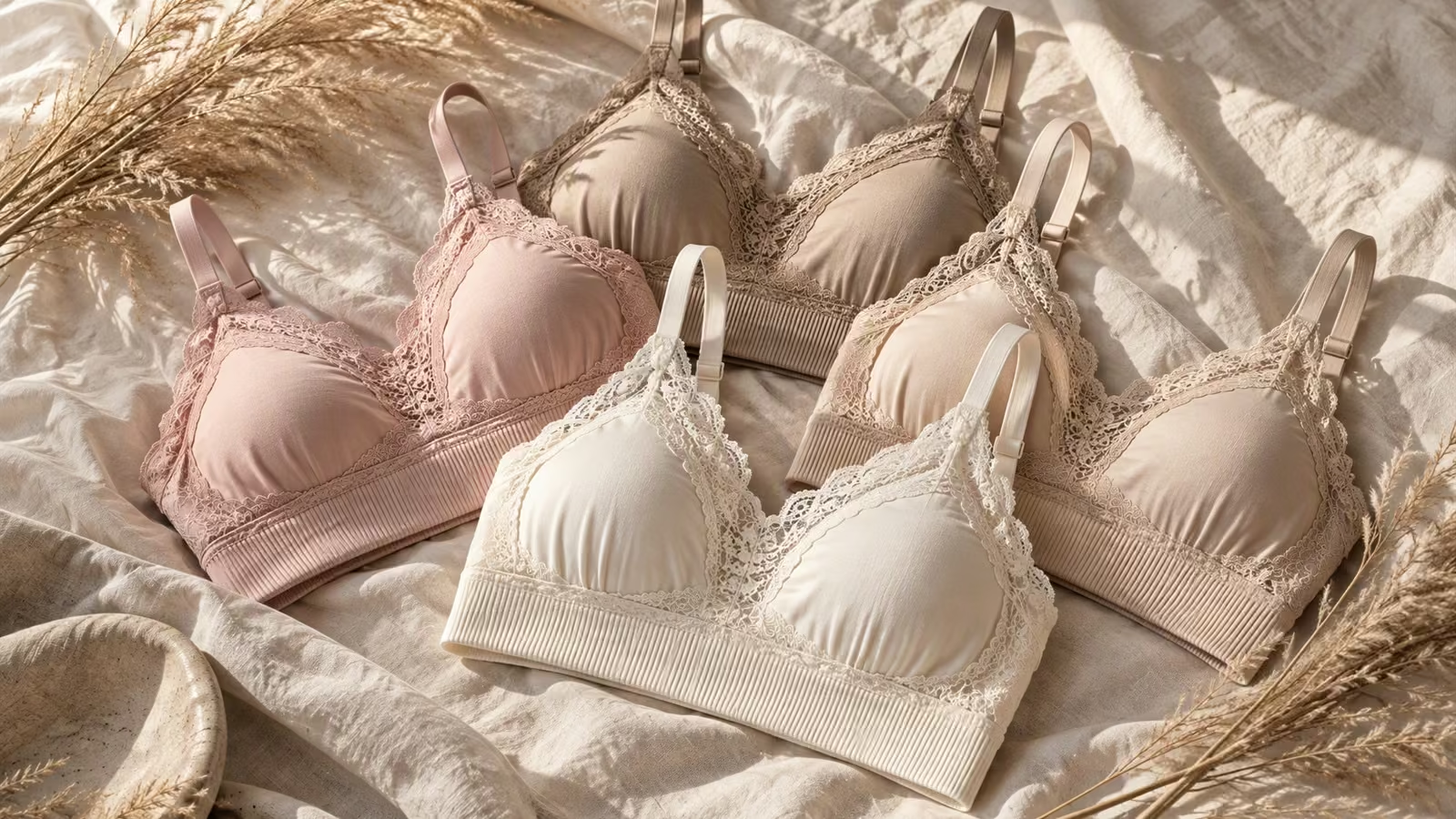
A bralette is a lightweight, usually unstructured top that combines the look of lingerie with the comfort of a crop top. The word itself is a blend of “bra” and “top”, and that hybrid is exactly what it is: less engineering than a bra, more coverage and polish than a plain vest. Bralettes typically have soft or removable cups, wide elastic bands instead of a rigid underband, and delicate fabrics like lace, microfibre or ribbed cotton.
How a Bralette Is Built
Unlike a structured bra, a bralette is cut as one continuous piece of fabric. There is usually no underwire, no multi-hook band and no complex cup seaming. What you get instead is a gentle, even compression across the bust:
- Soft cups: lightly lined or completely unlined cups that shape rather than lift.
- Wide underband: a stretchy band that distributes light pressure evenly around the ribs.
- Scoop or triangle necklines: designed to look good peeking out under an open shirt or cardigan.
- Delicate straps: often adjustable but not designed to carry significant weight.
Who a Bralette Suits Best
Bralettes work beautifully for smaller to medium busts (roughly A to C cups) and for anyone prioritising comfort on low-impact days. They are also ideal under loose or sheer clothing, where the goal is modesty and a pretty neckline rather than lift. Research on breast support consistently shows that the right garment for the activity matters more than the most supportive garment in the drawer: a 2020 review of breast-support biomechanics by McGhee and Steele in Exercise and Sport Science Reviews confirms that support needs change dramatically with activity level, which is why a single “all-day” bra rarely serves every day well.
What Is a Structured Bra?
A structured bra is engineered for support. It has defined cups (molded, seamed or underwired), an anchored band that sits level around the torso, and straps that are designed to work together with the band to carry the weight of the bust. When fitted correctly, the band does most of the supporting, not the straps — a principle backed by decades of fitting research, including the cross-sectional study on optimising breast support through correct bra fit published in the Journal of Science and Medicine in Sport.
Cups, Underwire and the Band
The three parts of a structured bra each do a specific job:
- The band: should feel snug and level all the way around, doing roughly 80% of the support work.
- The cups: should contain the bust fully, with no gaping at the top and no spillage at the sides or top.
- The straps: stabilise and balance; if they are digging in, the band is usually too loose, not the straps too tight.
- The underwire (if present): sits in a channel against the ribcage and shapes the cup; it should never poke through or press on breast tissue.
Support Levels Explained
Not all structured bras are equal. A t-shirt bra offers smooth, moderate support for everyday wear. A sports bra locks the bust down for high-impact movement. A plunge or balconette changes the neckline. Choosing the right structure for the activity is what makes a bra feel comfortable for eight hours instead of two.
Bralette vs Bra at a Glance
| Factor | Bralette | Structured bra |
|---|---|---|
| Support | Light, even compression | Engineered lift via band, cups and straps |
| Best bust range | Small to medium (A–C), comfort days for all | All sizes, especially C+ and active days |
| Best outfits | Loose tees, sheer tops, loungewear, layering | Fitted tops, workwear, dresses, exercise |
| Feel | Barely-there, soft | Secure and shaped |
| Sizing | Usually XS–XL letter sizing | Band + cup (e.g. 34C) or dual sizing |
| Lifespan | Long if hand-washed; elastic softens over time | 6–12 months of regular wear before the band stretches |
When to Wear a Bralette
A bralette earns its place in your wardrobe on days when comfort and aesthetics matter more than heavy support. Reach for one when:
- You are working from home or lounging the soft band never digs in while you sit at a desk.
- You are wearing a loose knit, an oversized shirt or an open cardigan where only the neckline shows.
- You want a pretty lace detail peeking out under a sheer blouse, while staying modest.
- You are sleeping or resting many women find a soft cotton bralette far more comfortable than a wired bra in bed, especially in the GCC heat when air conditioning is off in one room.
- You are layering under abayas and modest outerwear on light days, where a smooth silhouette matters more than lift.
When You Need a Structured Bra
There are days when a bralette simply cannot do the job, and pretending otherwise leads to shoulder ache and a tugging habit. Choose a structured bra when:
- You are wearing fitted, thin or clingy fabrics that show every line.
- You have a fuller bust (D cup and above) that needs real lift to feel comfortable.
- You are exercising even yoga needs more support than a bralette provides; running needs a dedicated high-impact sports bra.
- You are wearing a dress or top with a demanding neckline, like a halter, racerback or strapless style.
- You will be on your feet for long hours, at work or travelling, and need the band to carry the weight.
How to Get the Right Bralette Size
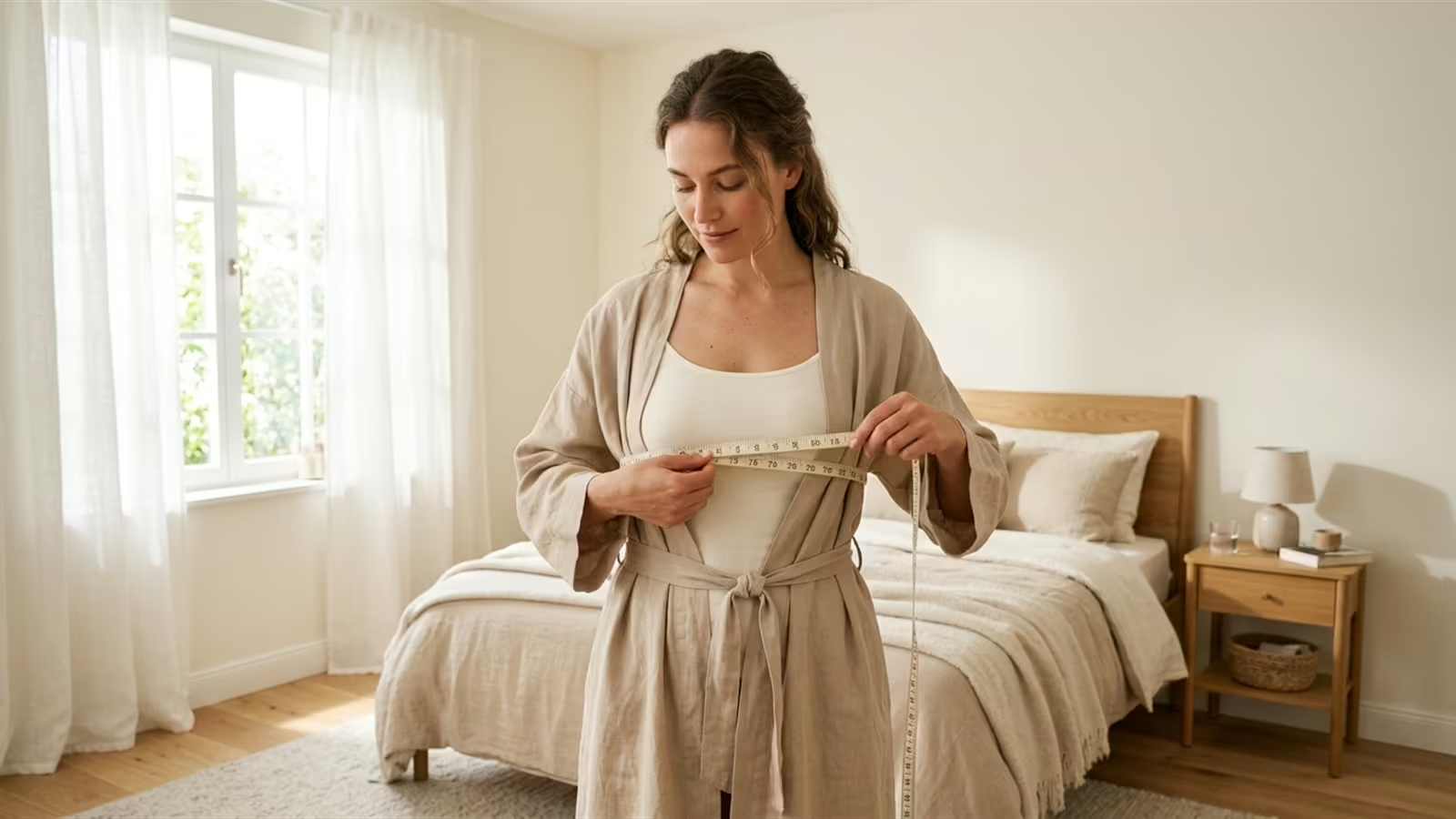
Bralette sizing usually runs XS to XL, but the fit depends far more on your underbust measurement than on a cup letter. Measure snugly around your ribcage directly under the bust, then check the brand’s size chart — in the UAE and Saudi Arabia, many shoppers sit between two letter sizes and should size up for a relaxed, non-digging band.
Bralette Sizing vs Bra Sizing
If you wear a 34C bra, you will often fit a medium bralette, but this varies enormously by brand and fabric stretch. The practical test: the band should lie flat against your ribs all the way around, you should be able to slide two fingers under it comfortably, and the cups should cover without wrinkling (too big) or bulging (too small). If a bralette rides up when you raise your arms, the band is too loose — go one size down.
How to Care for Bralettes So They Last
Delicate fabrics are the reason bralettes feel so good, and they are also why care matters. Wash in a mesh laundry bag on a gentle cycle with cold water, or hand-wash with a mild detergent. Never wring — press water out in a towel. Air-dry flat or hanging; the heat of a tumble dryer is the fastest way to kill the elastic. Rotate between two or three bralettes so none is worn daily, and retire any bralette whose band has lost its stretch.
Mixing Both in Your Wardrobe
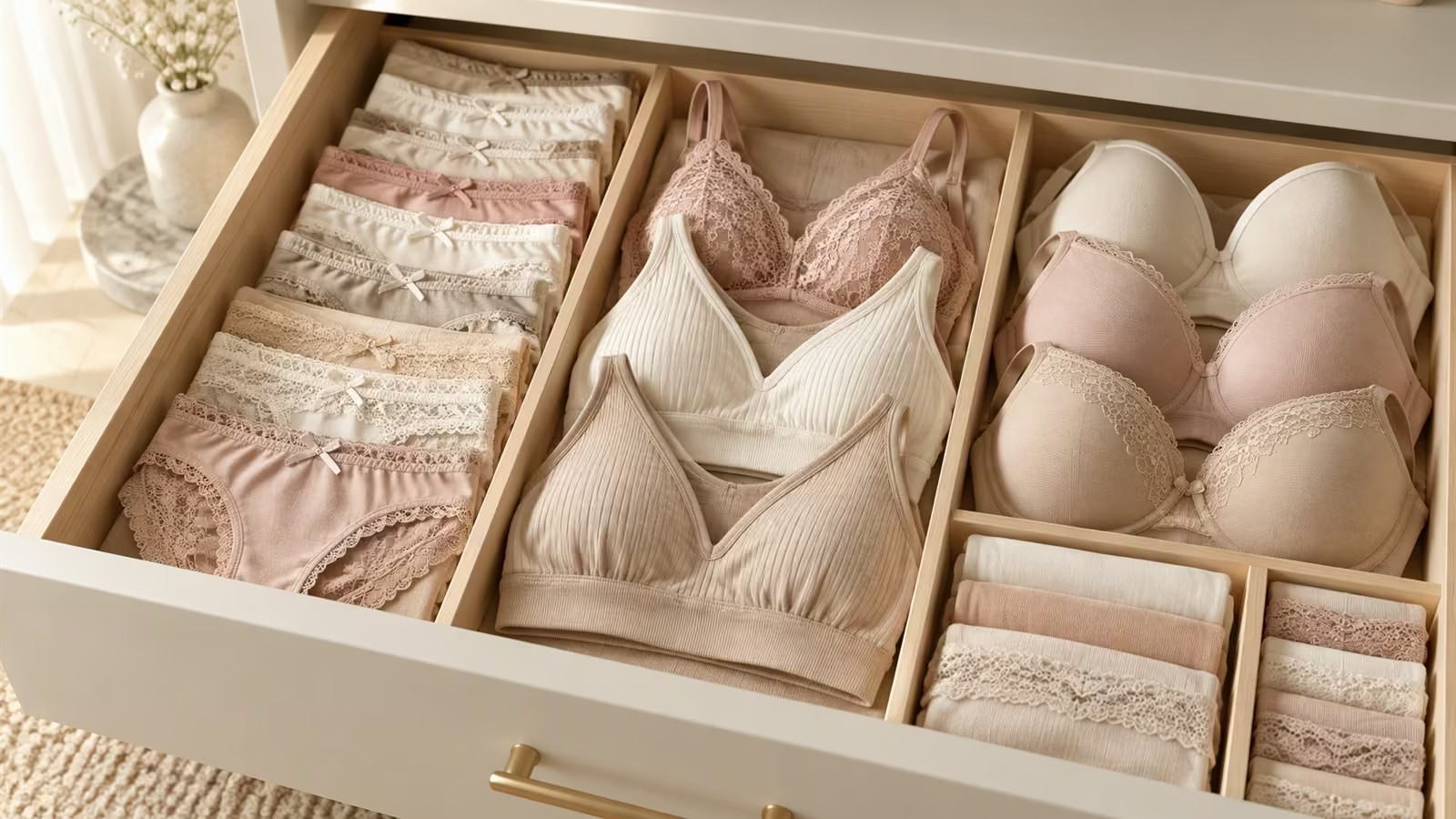
You do not have to choose a side. The most practical lingerie drawer uses both: structured bras for active, fitted and professional days, and bralettes for home, sleep and relaxed layers. Think of bralettes as the comfort layer and bras as the performance layer. Buy fewer of each, in neutral colours that mix with everything ivory, beige, soft pink and black cover almost every outfit in a GCC wardrobe.
Bralettes in the GCC: Heat, Air Conditioning and Modest Layering
In Gulf homes and offices, the climate swings hard between desert heat outside and strong air conditioning inside, and your underlayers feel every degree. A breathable cotton or modal bralette is noticeably cooler than a padded structured bra on a humid August day in Dubai, and it dries quickly after a wash. Under abayas and open outer layers, a smooth bralette in nude or ivory also creates a clean line without adding bulk, which matters when you want your outerwear to drape properly from the very first button.
For modest dressing, choose bralettes with slightly higher necklines and fuller coverage rather than deep scoops, and pair them with high-waist panties for a seamless silhouette. Many women in Riyadh and Jeddah keep two or three modest, full-coverage bralettes specifically for days when outerwear is fitted the bralette disappears completely while still providing light support and modesty.
Common Bralette Mistakes to Avoid
Most bralette disappointment comes from three fixable mistakes. First, buying the wrong size: because bralettes rely on the band for their light support, a band that is too loose lets the whole piece ride up when you lift your arms. Second, expecting push-up-level lift: a bralette shapes but does not lift, so fuller busts should look for structured bralette designs or stay with bras on support days. Third, machine-drying: tumble heat destroys the stretch recovery that makes a bralette comfortable, so always air-dry flat. Avoid these and a good bralette quickly becomes the piece you reach for first.
Bralette Fabrics Compared: Cotton, Lace, Modal and Microfibre
The fabric decides how a bralette feels by hour three. Cotton is breathable and skin-friendly — ideal for the Gulf heat and for everyday wear, though it can look casual. Lace (especially Chantilly or eyelash lace over a lining) is the pretty option for outfits and date nights, but choose a soft lining so it does not itch. Modal is silky, cool and moisture-wicking excellent for sleep and hot, humid evenings in Dubai or Jeddah. Microfibre is smooth and invisible under clothes but less breathable, so save it for outfits rather than all-day wear. When skin safety matters, look for OEKO-TEX Standard 100 certification, explained at OEKO-TEX.
How to Transition From Bras to Bralettes Gradually
If you have worn structured bras for years, jumping straight to a bralette can feel odd that is normal. Transition gradually: start with one or two bralette days a week at home, then under looser work tops, then as your default on weekends. Pay attention to how your shoulders and back feel; many women notice less strap pressure within days. Keep your structured bras for fitted outfits, exercise and long travel days, and let the bralette take over the moments where comfort wins. Within a month you will instinctively know which days call for which.
Bralette Trends to Watch in 2026
Bralettes keep evolving with the wardrobe. In 2026 the standout trends are: squared and balconette-style bralette necklines that layer beautifully under blazers; cotton and modal “bra-vest” hybrids that blur the line between underwear and outerwear; delicate lace in champagne, ivory and soft sage; and matching bralette-and-panty sets in one colour. For Gulf wardrobes, the practical winners are breathable natural fabrics and higher-coverage cuts that work under abayas and open layers. Whichever trend you try, keep the fit rules the same: snug level band, contained cups, no digging straps trends should never override fit.
Ready to refresh your drawer? You can buy women’s bras online and filter by size, fabric and support level, with delivery across the UAE and Saudi Arabia.
Frequently Asked Questions
Can you wear a bralette every day?
Yes, if it fits well and the day is low-impact. For desk days, lounging and light errands, a well-fitted bralette is comfortable all day. For workouts, long travel days or fuller busts, switch to a structured bra.
Are bralettes good for large busts?
Standard bralettes usually are not, because they rely on even compression rather than lift. If you are a D cup or larger, look for bralette-style bras with seamed cups, a wider band and thicker straps, or stick to structured bras for support days.
What is the difference between a bralette and a sports bra?
A sports bra is engineered to minimise breast movement during exercise, with firmer fabrics, wider bands and often encapsulation or compression cups. A bralette is designed for light support and style. Never wear a bralette for running or high-impact training.
How do I know if my bralette fits?
Check three things: the band lies level and snug (two fingers underneath), the cups cover without gaping or overflow, and the straps do not dig or slip. If you raise your arms and the band rides up, size down.
Bralette vs bra: which is more supportive?
A structured bra is almost always more supportive, because the band carries most of the weight. A bralette trades support for softness and is best for light days and smaller busts.
Can I wear a bralette under sheer or tight clothing?
Under sheer clothing, a lace bralette can look intentional and pretty. Under very tight clothing, a seamless bralette or a smooth t-shirt bra gives a cleaner line than a lacy one.
How many bralettes should I own?
Three to five is a practical number: two for everyday rotation, one lace style for outfits, one cotton style for sleep, and one spare. Rotate them so the elastic lasts longer.
Do bralettes have sizes like 34C?
Most use letter sizing (XS–XL), but some brands use band-and-cup sizing. Always check the brand chart, and remember that between-sizes shoppers in the GCC often do best sizing up for comfort.
Conclusion
The bralette vs bra question is not about which is “better” it is about which is right for the day. A bralette gives you softness, style and modesty on relaxed days; a structured bra gives you lift, shape and all-day security when the outfit or activity demands it. Keep both in your drawer, in neutral tones, and you will stop defaulting to the same bra every morning.
Start with one well-fitted structured bra and two bralettes, then build from there. Your shoulders and your mornings — will thank you.