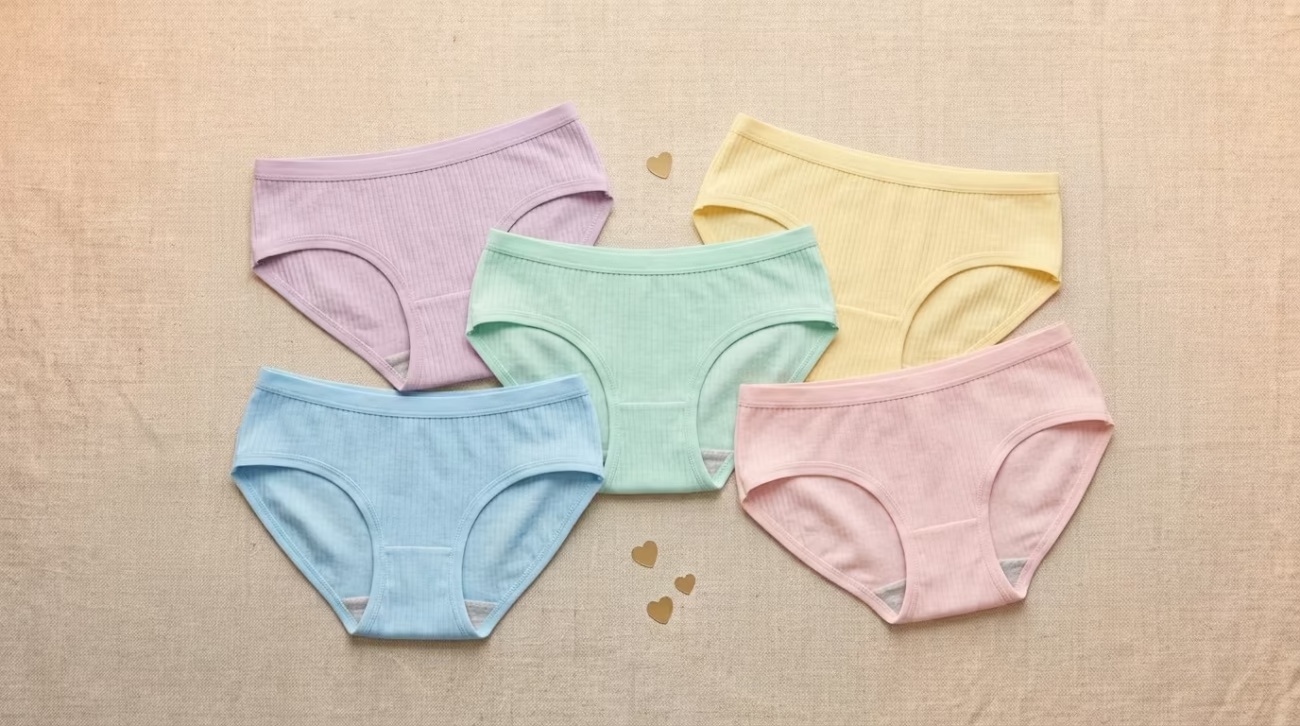

Lingerie touches the most sensitive skin on your body for hours every day, and the fabric it is made from matters — for comfort, for skin health, and increasingly, for the planet. If you are shopping in the UAE or Saudi Arabia and want underwear and nightwear that feel soft, breathe in the heat and carry credible sustainability credentials, this guide breaks down the three eco-friendly fabrics worth knowing: organic cotton, bamboo viscose and modal.
Every body deserves sustainable options — our plus size panties guide covers fit and extended sizing, while this article focuses on what the fabric itself does for you and the environment.
Organic Cotton: The Everyday Classic
Organic cotton is grown without synthetic pesticides and processed with stricter environmental and labour standards, certified by GOTS (Global Organic Textile Standard). As a fabric it is breathable, absorbent, durable and gentle on sensitive skin — which is why it remains the best everyday panty fabric, especially in the Gulf heat. Look for “95–100% organic cotton with a cotton gusset” on the label.
Bamboo Viscose: Silky and Cool
Bamboo is one of the fastest-growing plants on earth and needs no pesticides and little water — but the fibre you wear is usually “bamboo viscose” or “bamboo lyocell”, made by processing bamboo pulp into fibre. Bamboo viscose feels silky, smooth and cool against the skin and wicks moisture well, making it lovely for sleepwear and loungewear in hot climates. The more sustainable version is bamboo lyocell, made in a closed-loop process that recycles most of the solvent — check for lyocell/TENCEL-style labelling when sustainability matters to you.

Modal: The Premium Eco Fibre
Modal is a type of rayon/viscose made from beechwood pulp, most famously as TENCEL™ lyocell. It is exceptionally soft, colourfast, shrink-resistant and moisture-wicking — many women find modal the most comfortable fabric against sensitive skin. Beechwood for modal is typically sourced from sustainably managed forests, and lyocell production uses a closed-loop solvent process. For hot GCC summers, modal underwear and nightwear feels noticeably cooler than cotton.
Fabric Comparison at a Glance
| Fabric | Feel | Breathability in heat | Best for | Eco credentials |
|---|---|---|---|---|
| Organic cotton | Soft, natural | Excellent | Everyday panties | GOTS certification |
| Bamboo viscose/lyocell | Silky, cool | Very good | Sleepwear, loungewear | Fast-growing crop; best as lyocell |
| Modal (TENCEL lyocell) | Luxuriously soft | Excellent, moisture-wicking | Sensitive skin, hot days | Sustainably sourced beechwood, closed-loop |
Certifications to Look For
Marketing words like “eco” and “natural” are unregulated, so look for real certifications on the label or product page:
- OEKO-TEX Standard 100: tests the finished fabric for harmful substances — the gold standard for skin safety. See OEKO-TEX.
- GOTS: certifies organic fibre content and the whole production chain for cotton and other natural fibres.
- FSC-certified packaging / recycled materials: a good sign the brand thinks beyond the garment.
- Bluesign or similar: covers chemical management in textile production.
For the wider context of sustainable textiles, Textile Exchange publishes industry-standard material benchmarks you can reference when comparing claims.

Is Bamboo Underwear Really Sustainable?
Partly. The bamboo plant itself is remarkably sustainable, but conventional bamboo viscose uses chemical processing. Bamboo lyocell (and TENCEL-style processes) is far cleaner. So: bamboo fabric is a good choice, bamboo lyocell is a great choice, and the brand’s certifications tell you which one you are actually getting.
Which Fabric for Sensitive Skin?
Modal and organic cotton are the gentlest for most people; bamboo lyocell is also excellent and feels cooler. If you react to synthetics, avoid polyester lace and microfibre for daily wear, and choose OEKO-TEX-certified natural fibres with a cotton gusset.
Building a Sustainable Lingerie Drawer
You do not need to replace everything at once. Start with the pieces you wear most: everyday organic cotton panties, one modal or bamboo sleep set, and gradually swap synthetics as items wear out. Buy less, choose well, wash gently in cool water and air-dry — the most sustainable garment is the one that lasts. Every body, every size, deserves these options, and the good news is that inclusive eco ranges in XS–3XL are growing fast.

How to Spot Greenwashing in Lingerie
Words like “eco”, “green”, “natural” and “conscious” are unregulated, so brands can use them freely. The reliable signals are third-party certifications (OEKO-TEX, GOTS, FSC for packaging) and specific, verifiable claims — “made from TENCEL™ lyocell”, “GOTS-certified organic cotton 95%”, “OEKO-TEX Standard 100”. If a product page makes vague sustainability claims with no certification and no specifics about fibre or factory, treat it as marketing. Ask the store’s support team directly; reputable brands answer with details.
Starting Small: Your First Sustainable Swaps
You do not need a fully sustainable drawer overnight. Start with the highest-impact swaps: everyday panties in GOTS-certified organic cotton with a cotton gusset (worn daily, washed constantly), and one sleep set in modal or bamboo lyocell for hot nights. Then swap bras gradually as they reach replacement age — bras are harder to make sustainably, so prioritise fit and longevity first, and choose brands publishing real material data. Wash everything in cool water and air-dry to cut the energy footprint of your lingerie by a large margin over the years.
Eco Fabrics for Bras and Nightwear Too
Panties are only half the drawer. For bras, look for organic cotton cups, modal blends, and brands using recycled nylon/elastane (often from fishing nets) in bands and lace — recycled synthetics keep elasticity while cutting virgin plastic use. For nightwear, bamboo lyocell, modal and GOTS-certified organic cotton are the standouts; silk is natural and biodegradable, though its production is water-intensive, so washable silk blends or peace silk are kinder options. The same certifications apply across categories — OEKO-TEX for skin safety, GOTS for organic content — so you can build a fully certified drawer piece by piece.
Cost Per Wear: Why Quality Eco Lingerie Saves Money
A cheap synthetic panty that loses its shape in three months costs more per wear than an organic cotton pair that lasts a year. Calculate it: a AED/SAR 40 organic cotton panty worn 100 times costs far less per wear than a SAR 15 synthetic one worn 25 times — and feels better every single wear. Apply the same maths to bras and nightwear: divide price by expected wears, not by purchase. Buying fewer, certified, durable pieces is simultaneously the most economical and the most sustainable choice, and it is easier on your skin in the Gulf climate.
How to Verify a Brand’s Sustainability Claims
Start with the product page: real claims name fibres precisely (“GOTS-certified organic cotton”, “TENCEL™ lyocell modal”) and link certifications. Check the brand’s impact or materials page for specifics — percentages, factory certifications (OEKO-TEX, bluesign, GOTS), and measurable targets. Be wary of vague words like “conscious” or “green” with no detail, and of certifications that do not exist. Independent resources help: OEKO-TEX’s certificate check, GOTS’s public database, and Textile Exchange’s material benchmarks let you verify rather than trust. If a store cannot answer a direct question about fabric content, that itself is an answer. Sustainable lingerie should be transparent — the good brands are proud of their details.
To shop certified fabrics, browse our embroidered modal high-waist panties and look for the OEKO-TEX and fabric details on each product page, with delivery across the UAE and KSA.
Frequently Asked Questions
Is bamboo underwear really eco-friendly?
The bamboo plant is highly sustainable, but the fibre process matters: bamboo lyocell (closed-loop) is genuinely low-impact, while conventional bamboo viscose uses more chemicals. Check certifications and prefer lyocell.
Bamboo vs cotton panties — which is better?
Cotton is more breathable and absorbent — best for everyday. Bamboo/modal feels silkier and cooler — best for sleepwear and hot, humid days. Many women keep both.
What is modal fabric good for?
Modal (especially TENCEL lyocell) is exceptionally soft, moisture-wicking, shrink-resistant and colourfast — ideal for sensitive skin, underwear and nightwear in hot climates.
What does OEKO-TEX certification mean?
It means the finished textile has been independently tested for a long list of harmful substances and is safe for skin contact — the most relevant certification for lingerie.
Is organic cotton better for sensitive skin?
Usually yes — it is processed without harsh chemical residues and is naturally breathable. Pair it with a cotton gusset and an OEKO-TEX label for the gentlest everyday option.
Are eco-friendly lingerie fabrics more expensive?
Often slightly, but multipacks and sales bring prices close to conventional ranges. Because quality eco fabrics last longer, the cost per wear is usually lower.
How do I wash bamboo and modal lingerie?
Gently: cool water, mild detergent, a laundry bag on delicate or hand-wash, and air-dry away from direct sun. Never tumble-dry — heat damages the fibres and the elasticity.
Do sustainable fabrics come in plus sizes?
Increasingly yes — look for brands stocking XS to 3XL in organic cotton and modal. Extended sizing is now standard among quality intimate-wear retailers serving the GCC.
Conclusion
Organic cotton, bamboo lyocell and modal are the three eco-friendly fabrics worth choosing for lingerie: breathable in the Gulf heat, gentle on sensitive skin, and backed by real certifications like GOTS and OEKO-TEX when you know what to look for. Start with your most-worn pieces and build a drawer that is kind to your skin and lighter on the planet.
Small swaps in what touches your skin every day add up — choose certified fabrics, wash gently, and buy to last.