
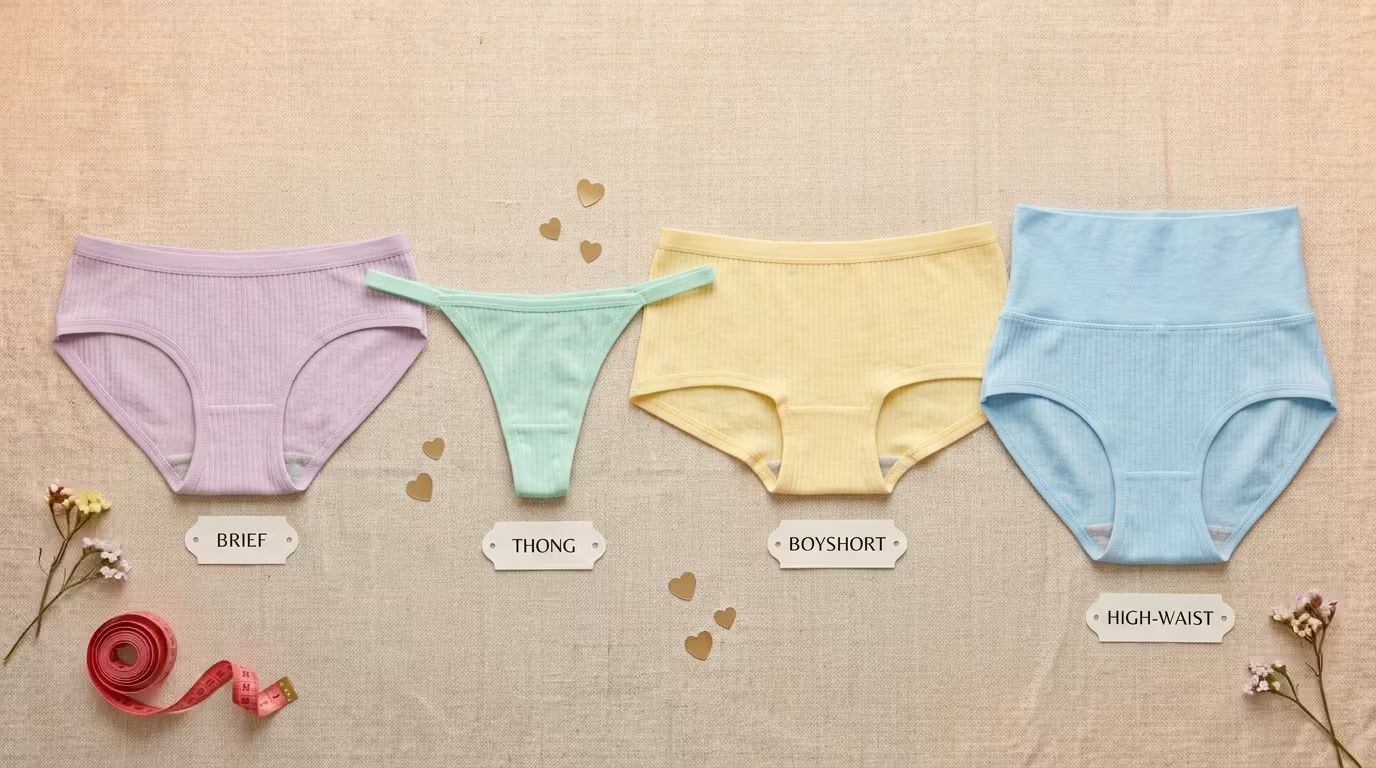
Standing in front of a drawer full of unfamiliar cuts and labels is more common than most people admit. Bikini, hipster, brief boyshort the names alone can feel confusing when every pair looks slightly different. Picking the wrong style often means visible lines constant readjusting or underwear that just never feels quite right.
Learning the actual types of panties available takes the guesswork out of shopping completely. This guide breaks down every major style from everyday basics to seamless options built for tight outfits. Once you understand what each cut offers choosing the right pair for any outfit becomes fast and simple.
Why Knowing Your Panty Style Matters
Every panty style is built for a different purpose, whether that purpose is coverage, comfort or a smooth look under clothing. Picking a style at random often leads to visible panty lines, an uncomfortable waistband or fabric that bunches up during the day. That mismatch is rarely about the underwear being poor quality; it usually just means the wrong cut for the outfit or activity.
Understanding your options also saves money over time. Instead of buying the same familiar style repeatedly you can build a small collection that actually covers every situation, from workdays to workouts to date nights. A few well-chosen styles will outperform a drawer full of random picks.
Everyday Panty Styles Explained
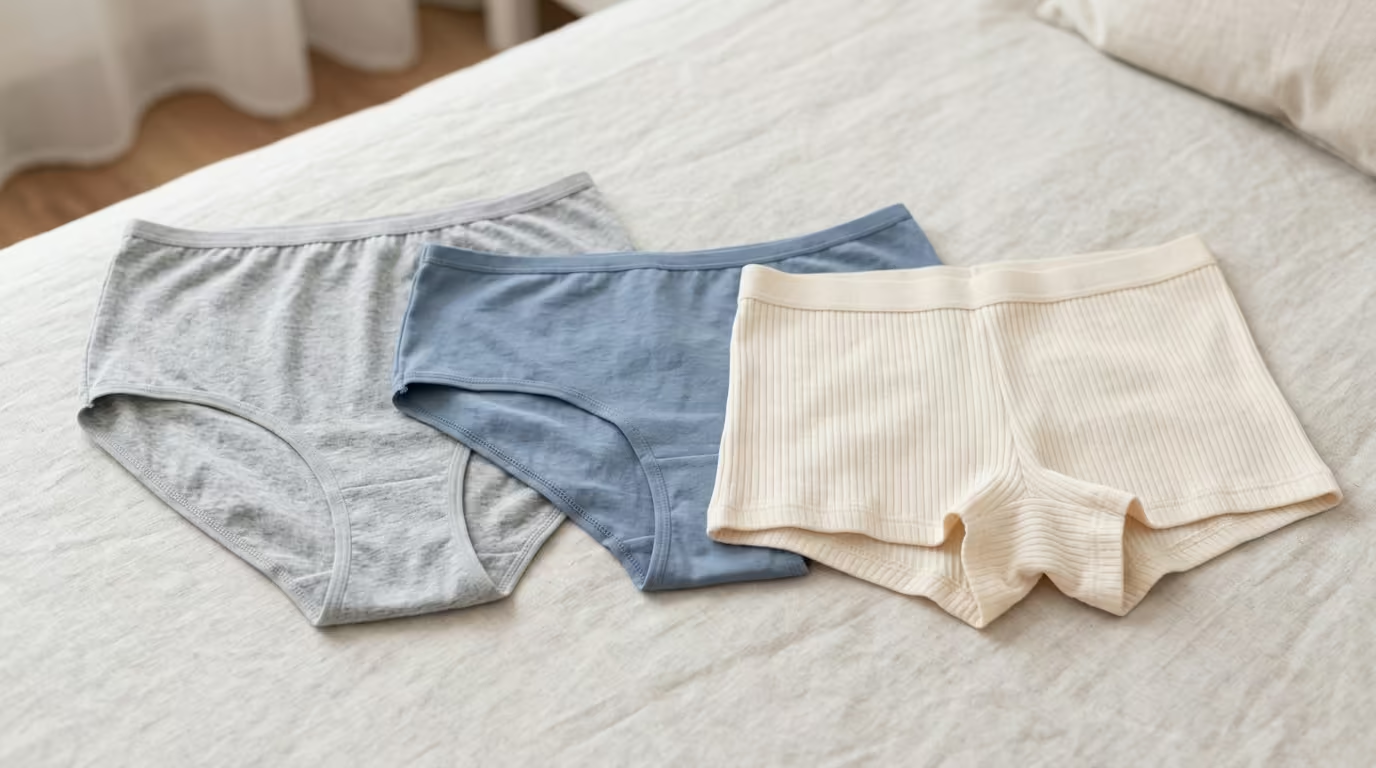
These are the styles most people already own and for good reason. They balance comfort, coverage and simplicity, making them reliable choices for daily wear.
Briefs and Full-Coverage Panties
Briefs sit at the natural waistline and cover the hips and rear completely. This full-coverage design makes briefs one of the most comfortable types of panties for all-day wear, since there is little chance of shifting or riding up. They pair well with looser clothing where a visible line is not a concern.
Bikini and Hipster Panties
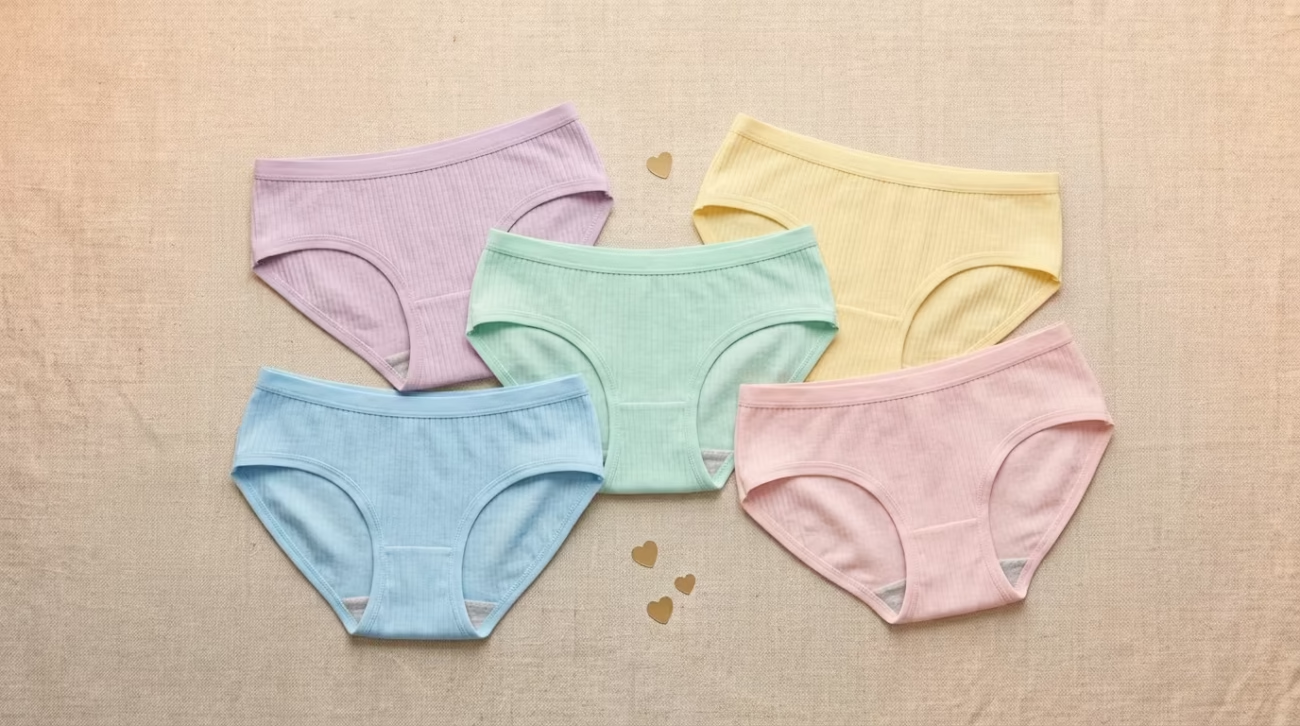
Bikini panties sit lower on the hip with a moderate cut, while hipster panties sit slightly lower still, right along the hip bone. Both styles offer a comfortable middle ground between full coverage and something more minimal. Hipster panties work especially well under low-rise jeans and casual skirts.
Boyshorts
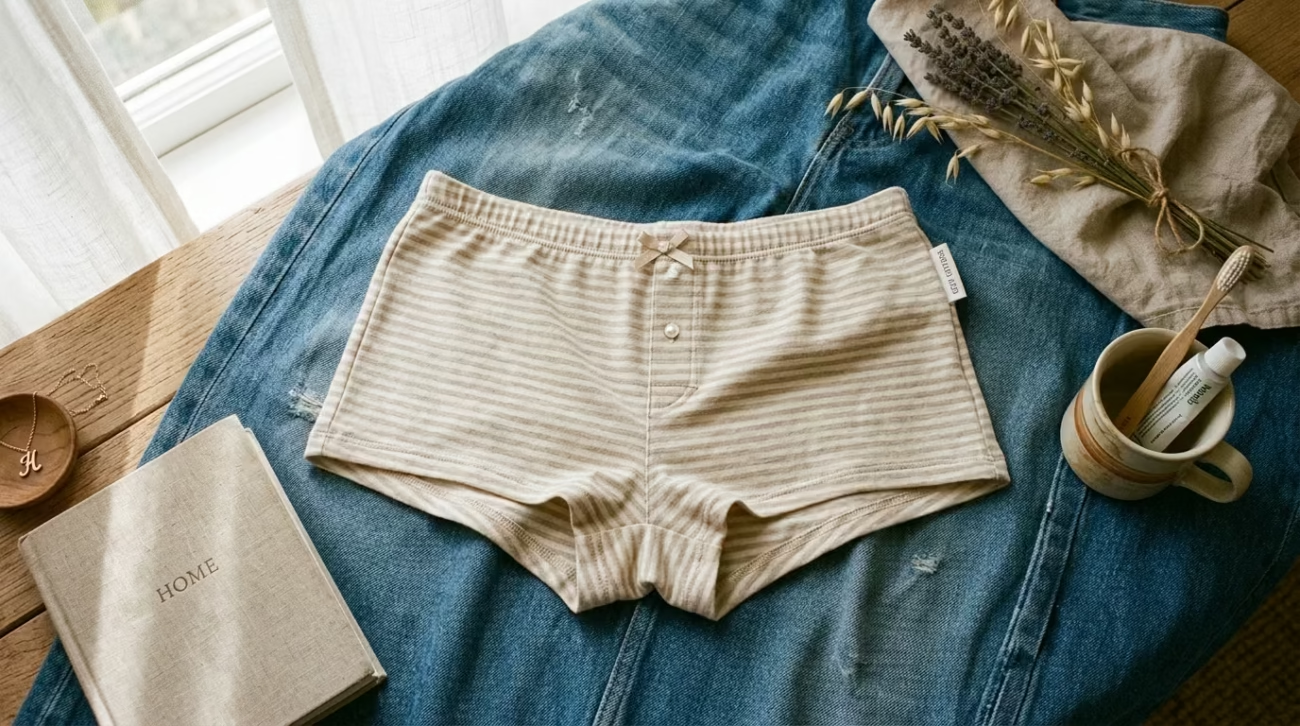
Boyshort panties resemble a short, form-fitting version of men’s boxer briefs. They cover more of the thigh than most other styles, which helps prevent chafing during long days or workouts. Boyshorts also give a sporty, secure feel that many women prefer for lounging or sleeping.
Panty Styles for Avoiding Visible Lines
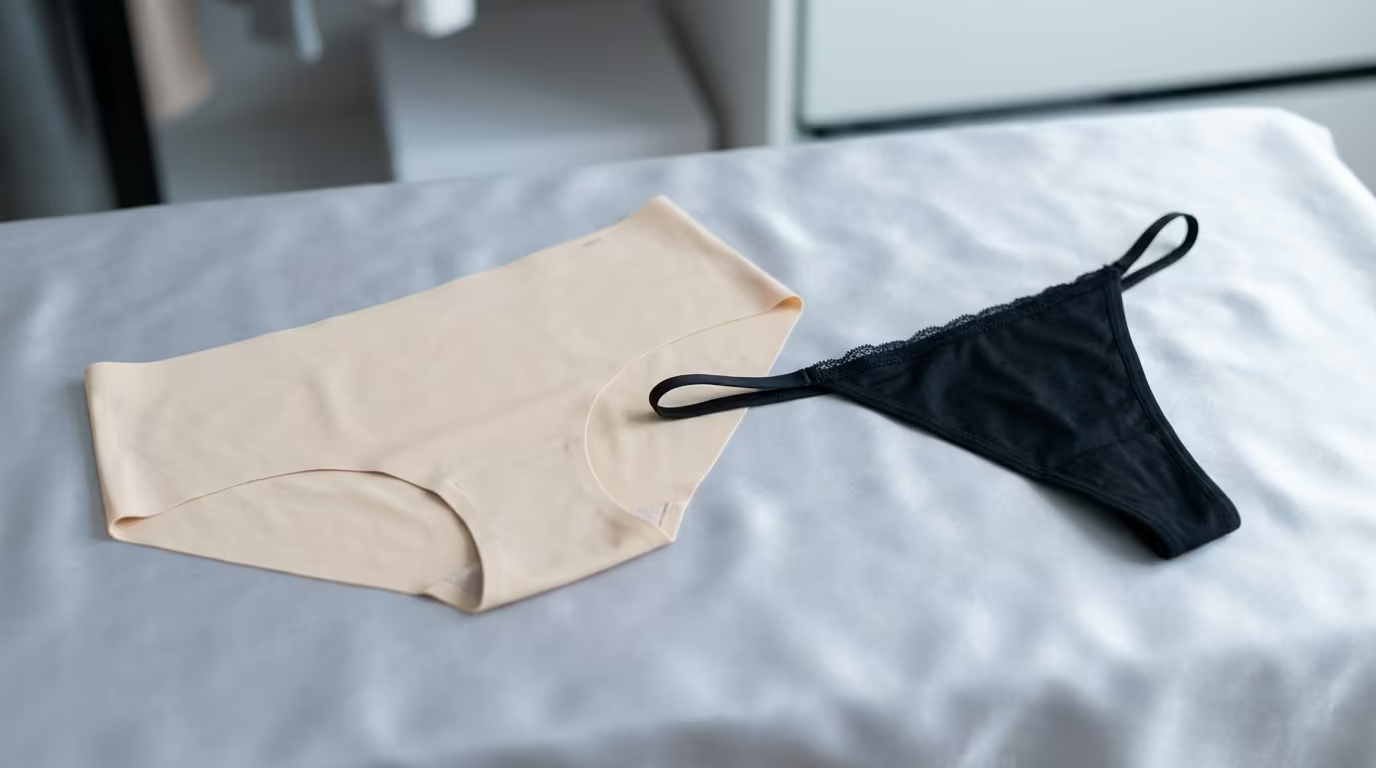
Tight clothing exposes every seam and elastic edge which is exactly why these next styles exist. Each one solves the visible-line problem in a slightly different way.
Seamless Panties
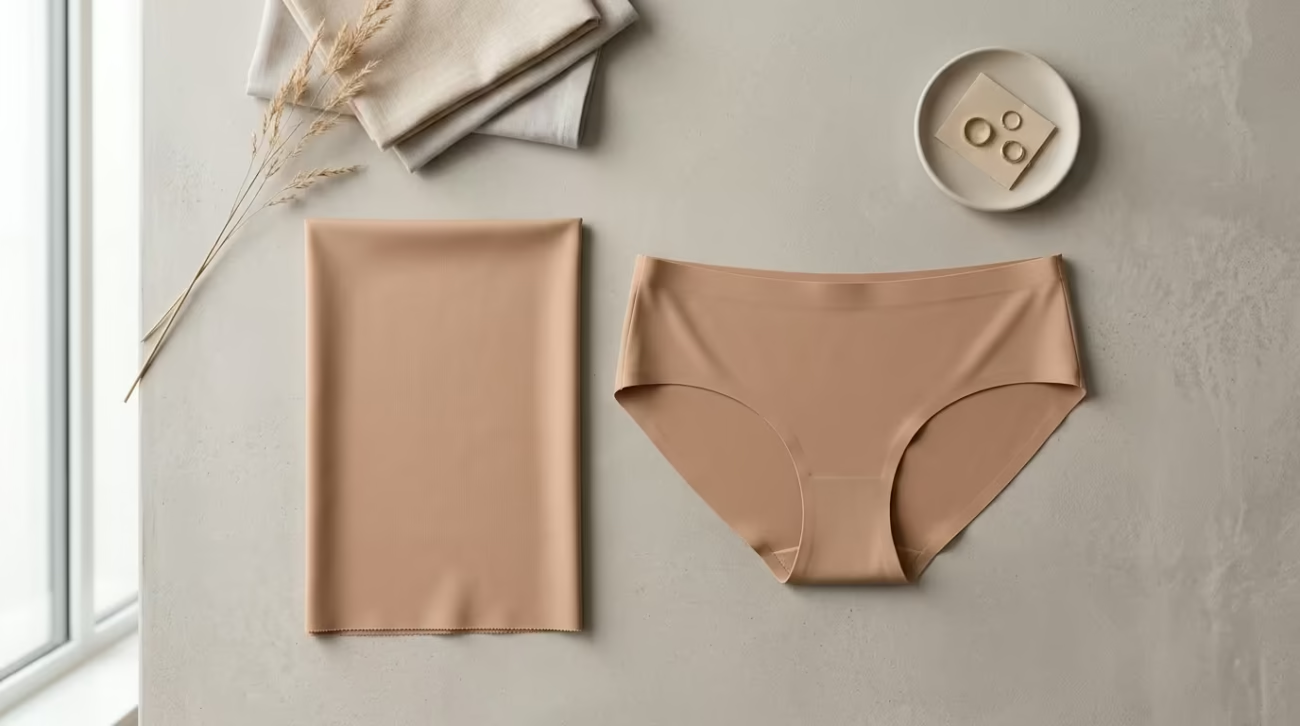
Seamless panties skip traditional stitched seams entirely, using bonded or laser-cut edges instead. This construction makes them nearly invisible under leggings, fitted dresses and thin fabrics. Seamless designs have become one of the most requested panty types for anyone who wears form-fitting clothing regularly.
Thong and G-String Panties
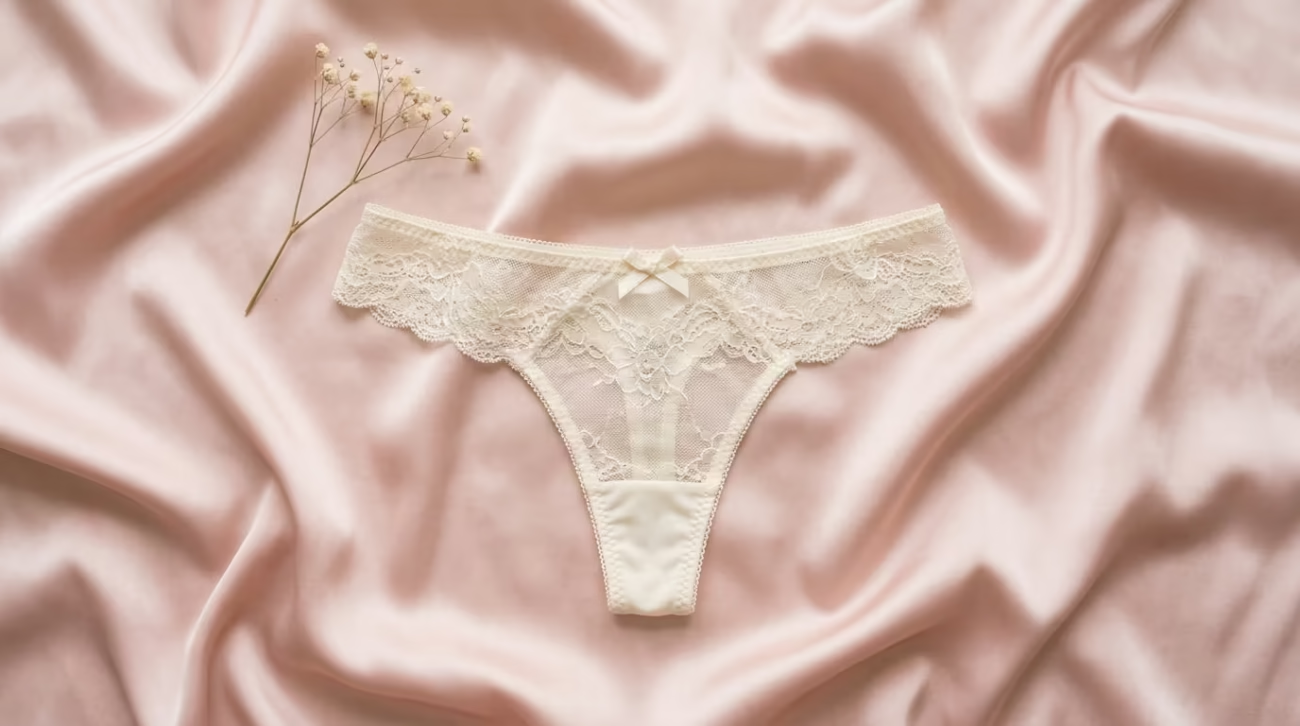
Thong panties use a narrow strip of fabric at the back to eliminate visible lines while still offering front coverage. G-string panties take this even further, using a thin string instead of a wider strip. Both styles work well under tight pants, though comfort preference varies from person to person.
No-Show Panties
No-show panties combine a low profile with smooth thin materials designed to disappear completely under clothing. They often overlap with seamless construction but focus specifically on minimizing bulk at the waistband and leg openings. This style suits fitted formalwear especially well.
Statement and Decorative Panty Styles

Not every pair needs to be purely functional. These styles bring in texture, detail and a bit of personality while still delivering solid everyday comfort.
Lace Panties
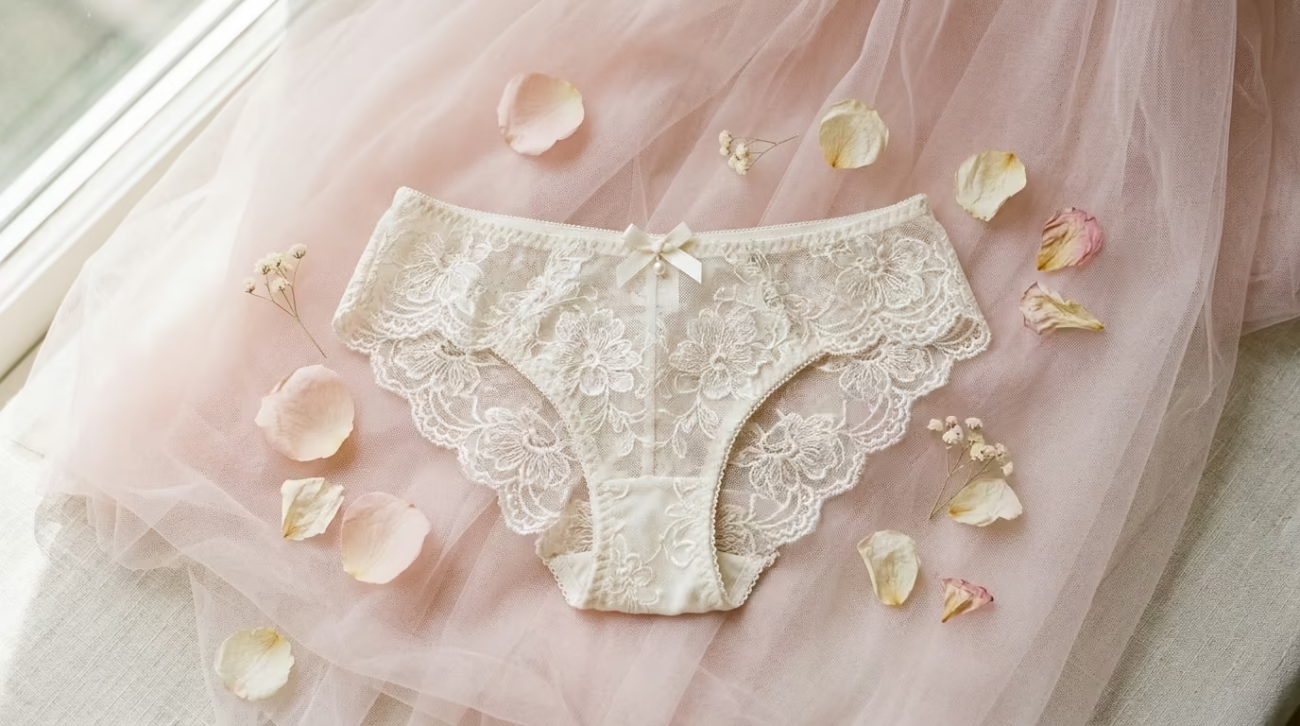
Lace panties use decorative fabric across all or part of the design, often paired with a smoother lining for comfort. This makes lace panties a popular choice for special occasions or simply adding variety to a basic underwear drawer. Quality matters here, since softer lace feels far better against skin than stiffer varieties.
Cheeky and Brazilian Panties
Cheeky panties sit between a full-coverage brief and a thong showing a little more cheek while keeping most of the coverage. Brazilian panties offer a similar effect with a slightly higher leg cut and a lower rise at the waist. Both styles flatter a wide range of body shapes.
High-Cut and High-Leg Panties
High-cut and high-leg panties feature leg openings that sit higher on the hip, visually lengthening the leg. This retro-inspired silhouette works beautifully under dresses and fitted skirts. The higher cut also reduces visible fabric bunching along the hip line.
Retro and Specialty Panty Styles
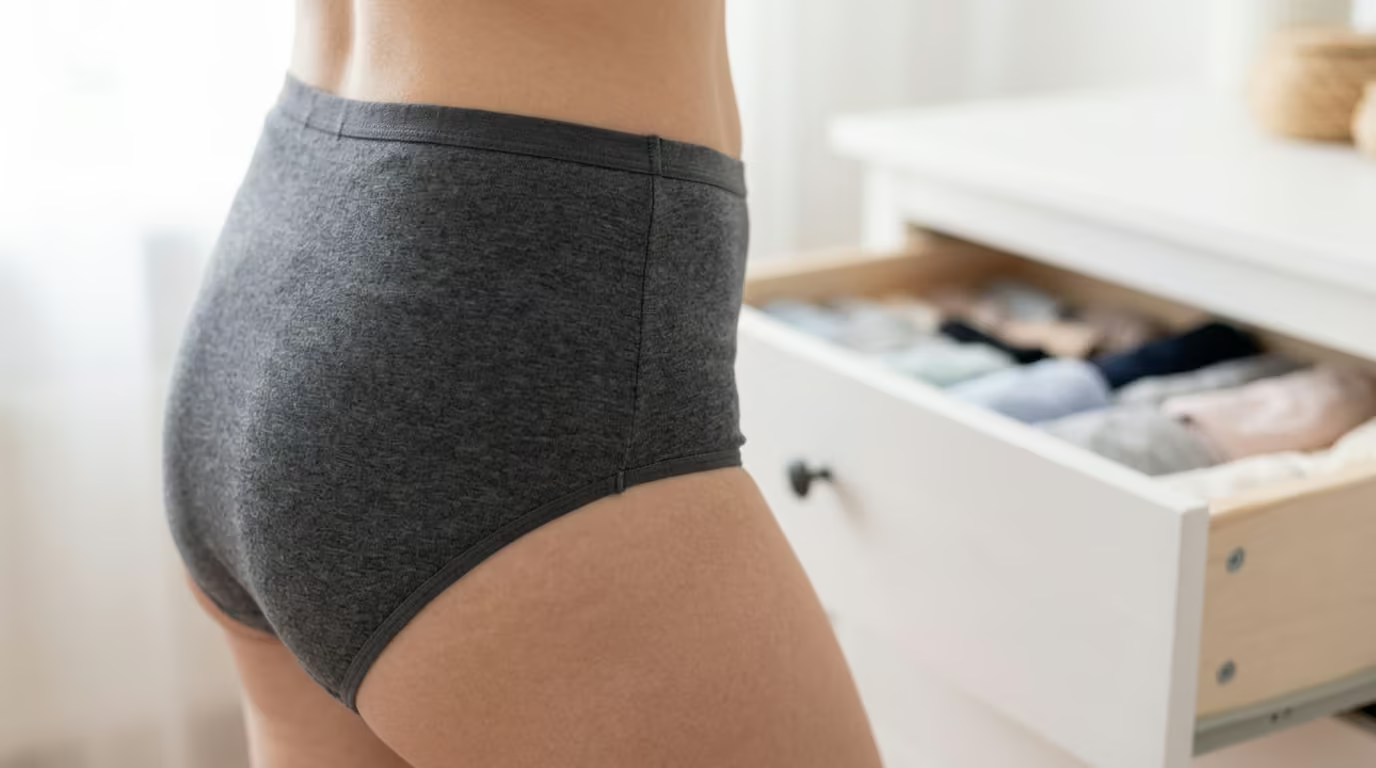
A few styles focus on nostalgia, security, or a very specific kind of coverage that modern cuts often skip.
Granny Panties
Granny panties sometimes rebranded as classic or full briefs, offer maximum coverage with a high waist and generous leg openings. They have quietly made a comeback thanks to their reputation for all-day comfort. This style suits anyone prioritizing coverage over a minimal silhouette.
T-Back Panties
T-back panties feature a design where the back strap forms a T-shape sitting between the thong and full-coverage categories. This style balances comfort with a reduced visible line making it a practical everyday alternative to a traditional thong.
Matching Panty Fabric to Panty Style
Style is only half the equation; fabric choice changes how any given cut actually performs throughout the day. Pairing the right material with the right silhouette often makes more difference than the style alone.
Cotton Linings Across Different Styles
Even lace, seamless and thong styles often include a cotton-lined gusset for breathability where it matters most. Checking for this detail before buying helps avoid discomfort, especially for all day wear. A decorative outer style with a practical cotton lining offers the best of both categories.
Stretch Fabrics for Snugger Fits
Styles like seamless panties and boyshorts rely heavily on stretch fabric blends to maintain shape without digging in. A higher spandex or elastane content generally means a snugger, more supportive fit. This matters most for styles meant to sit close to the body all day long.
How to Pick the Right Panty Style for Your Outfit
Matching style to outfit avoids most common underwear frustrations before they start. A few practical guidelines make the decision easier:
- Fitted dresses or leggings: seamless or no-show panties
- Loose pants or skirts: briefs, hipsters, or bikinis
- Workouts: boyshorts or moisture wicking seamless styles
- Special occasions: lace or cheeky styles
- Maximum coverage days: briefs or granny style panties
Trying a few different types of panties over time reveals which cuts genuinely fit your body best. Comfort should always outrank trend when it comes to underwear.
How Panty Styles Have Changed Over Time
Underwear styles rarely stay static for long, and today’s most popular cuts reflect decades of small design shifts. Knowing a little of this history helps explain why certain styles keep resurfacing, and why others quietly disappear for years before coming back.
From Function-First to Fashion-Forward
Early underwear focused almost entirely on coverage and practicality, with little attention paid to style or silhouette. Over time, fabric technology improved enough that manufacturers could focus on fit and appearance without sacrificing comfort. That shift is exactly why modern types of panties now include seamless, laser-cut, and decorative lace options that older generations never had access to.
Why Retro Styles Keep Coming Back
Styles like granny panties and high-waisted cuts tend to cycle in and out of popularity every decade or so. Comfort-focused trends usually bring these fuller-coverage styles back into fashion after a period of minimal, low-rise dominance. This pattern suggests that most panty styles never truly disappear; they simply wait for their next moment.
Mixing Panty Styles Into a Complete Underwear Wardrobe
Rather than settling on a single go-to style, most people benefit from keeping a small, varied rotation on hand. A practical starting wardrobe might include a few full-coverage briefs for lounging, a couple of seamless pairs for fitted outfits, one or two thongs for special occasions, and a lace set for confidence-boosting days. Rotating styles this way also extends the life of each individual pair, since no single cut takes on all the daily wear by itself.
Seasonal changes are worth planning for too, since warmer months often call for lighter, more breathable cuts while cooler months allow for fuller coverage without much thought about airflow. Keeping a rough mental map of which styles suit which season makes seasonal shopping faster and more intentional, rather than reactive.
Trying New Panty Styles With Confidence
Switching to an unfamiliar style can feel like a small risk, especially when a favorite basic already works fine. Starting with just one or two new pairs, rather than replacing an entire drawer at once, makes it easy to test a style without much commitment. Wearing a new cut for a full day, under a realistic outfit, gives a far more accurate impression than trying it on for a minute in a fitting room.
Frequently Asked Questions
What are the main types of panties available today?
The most common types include briefs, bikinis, hipsters, boyshorts, thongs, g-strings, seamless panties and lace panties. Each style balances coverage, comfort and visibility differently.
Which panty style is best for avoiding visible panty lines?
Seamless and no-show panties are the best options for avoiding visible lines under tight clothing. Thongs and g-strings also work well for very fitted outfits.
Are boyshorts comfortable for everyday wear?
Yes, boyshorts offer full coverage and reduce chafing between the thighs. Many women choose them for workouts, travel and sleeping.
What is the difference between a thong and a g-string?
A thong uses a slightly wider strip of fabric at the back while a g-string uses a much thinner string. Both minimize visible lines though comfort levels vary by person.
Are lace panties less comfortable than cotton styles?
Quality lace panties often include a soft cotton or microfiber lining, which keeps them comfortable. Stiffer, cheaper lace can feel scratchy so checking the lining material matters.
What panty style works best under leggings?
Seamless panties are the top choice under leggings since they eliminate visible seams and bulk. No-show styles are a close second option.
Are granny panties actually coming back into style?
Yes, full-coverage panties, sometimes called granny panties have returned as a comfort-first trend. Many brands now offer them in softer more flattering cuts than older versions.
How many different panty styles should I own?
Owning at least three or four styles covers most situations comfortably. A good starting mix includes briefs, seamless panties and one decorative style like lace.
Final Thoughts
Every panty style solves a different problem whether that is coverage, comfort or staying invisible under tight clothing. Once the differences between briefs, thongs, seamless cuts and lace styles are clear choosing the right pair stops being a guessing game.Building a small varied collection means you always have the right fit for the day ahead. Browse the full seamless panties collection to find a style that disappears under any outfit while keeping you comfortable all day long.