
Panty Size Guide: How to Find Your Perfect Fit
Buying the wrong size underwear happens more often than most people admit. A waistband that digs in, fabric that bunches, or a pair that constantly slides down usually traces back to one thing: the wrong size. Guessing based on regular clothing size rarely works, since every brand cuts its panties a little differently.
A reliable panty size guide removes the guesswork completely. This article walks through exactly how to measure yourself, how to read a size chart correctly, and how sizing needs can shift after pregnancy or weight change. With the right numbers in hand, finding a comfortable, secure fit becomes simple.
Why Getting Your Panty Size Right Matters
Underwear sits closer to the body than almost anything else you wear, so a poor fit is felt immediately. Sizing too small causes digging, visible marks, and constant discomfort throughout the day. Sizing too large leads to bunching, shifting, and a waistband that never quite stays in place.
Getting the size right also affects how clothing looks on top. A properly fitted pair lies flat under leggings, dresses, and fitted pants, while an ill-fitting pair creates visible lines and bulges. Taking a few minutes to measure correctly saves both comfort and frustration on every future order.
How to Measure Yourself for the Right Panty Size
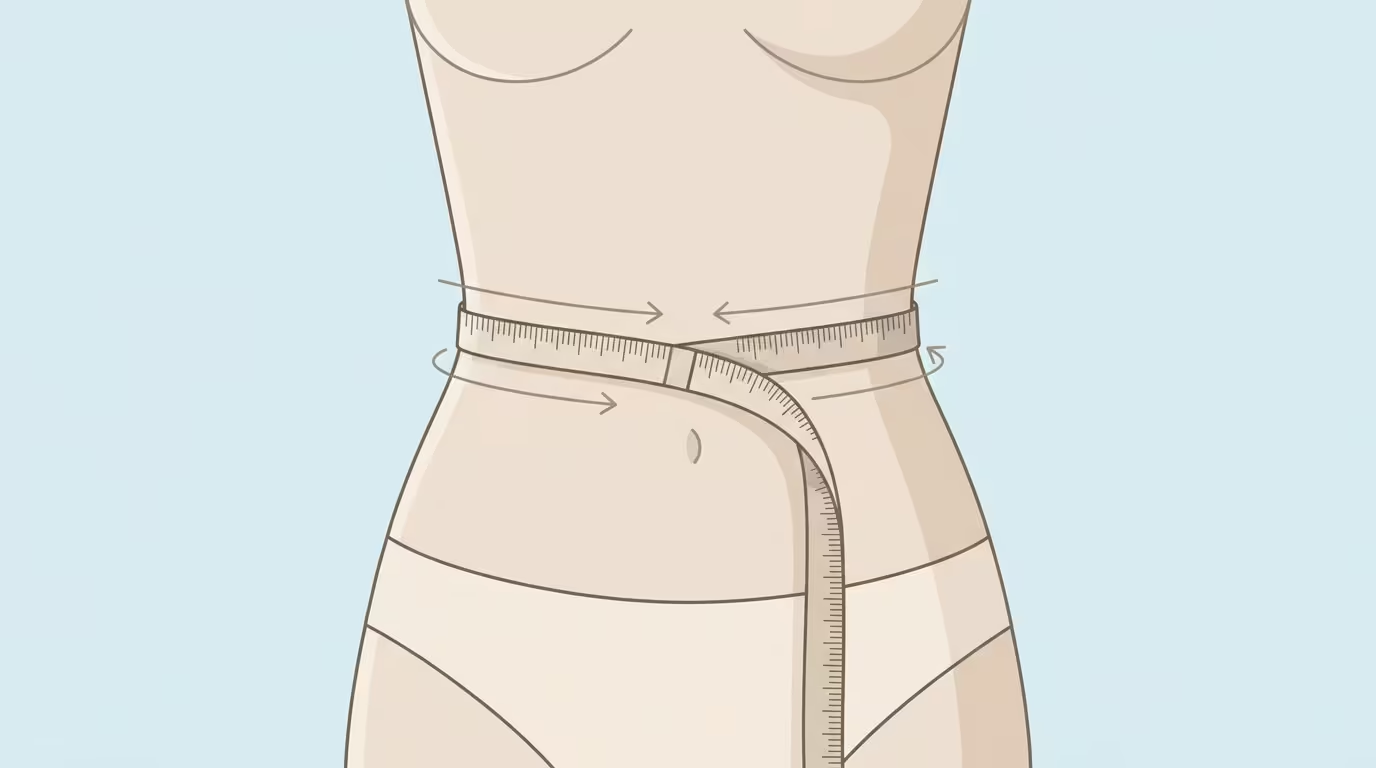
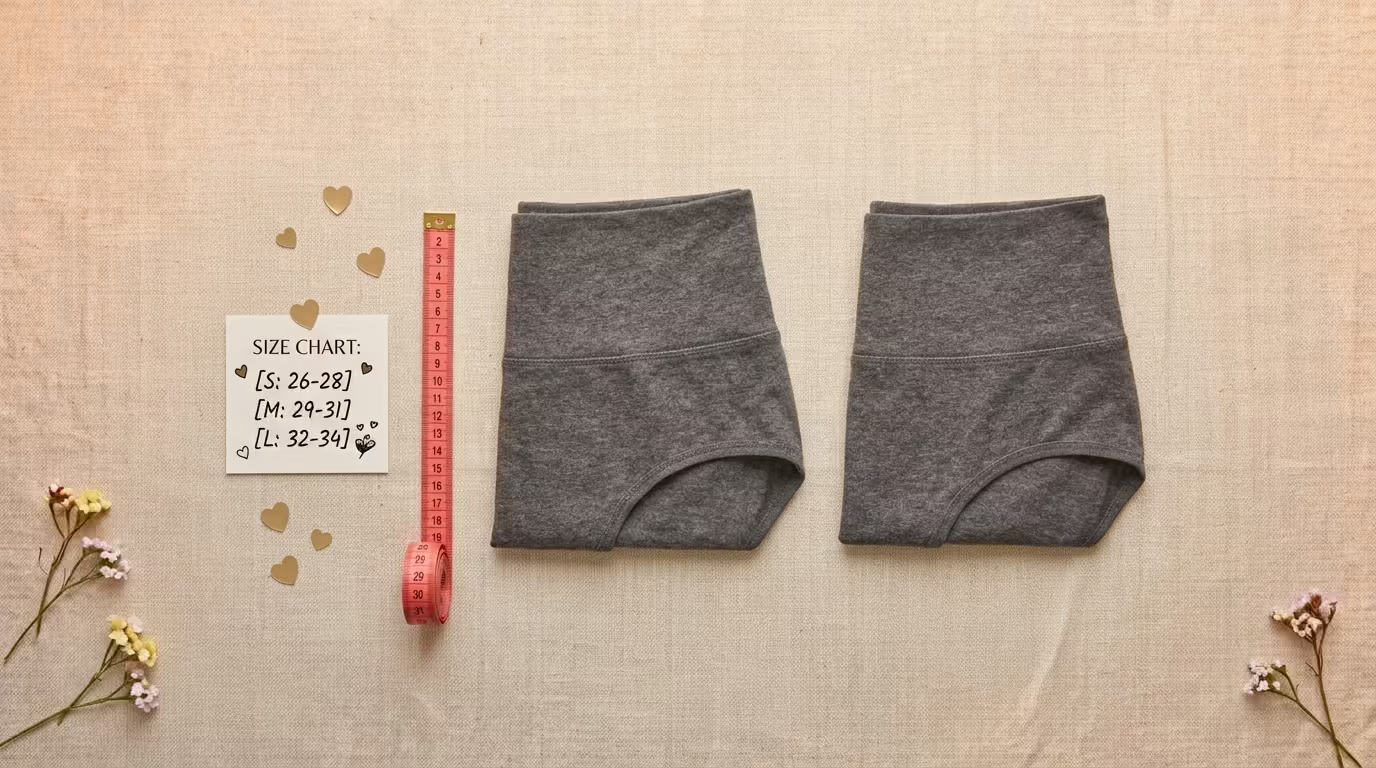
Measuring at home only takes a couple of minutes and requires nothing more than a soft measuring tape. Standing in front of a mirror helps keep the tape level while measuring.
Measuring Your Waist
Wrap the tape around the narrowest part of your torso, usually just above the belly button. Keep the tape snug against the skin, but not tight enough to compress it. Exhale normally before reading the number, since holding your breath in or out will skew the measurement.
Measuring Your Hips
Wrap the tape around the fullest part of your hips and rear, keeping it level all the way around. This is usually the widest point below the waist. Recording both waist and hip numbers gives a full picture, since many size charts use both measurements together.
Reading a Panty Size Chart Correctly
Size charts can look confusing at first, especially with unfamiliar number-based sizing systems. Once the pattern is clear, comparing your measurements becomes quick and accurate.
Understanding Size Numbers Like 80, 85, and 100
Some size charts use numbers such as 80, 85, or 100 instead of letters like S, M, or L. These numbers typically correspond to a specific waist or hip measurement range in centimeters, similar to how bra band sizes work. Always check the specific chart for the brand you are buying from, since a size 85 in one brand can differ slightly from another.
When Waist and Hip Sizes Don’t Match
It is common for waist and hip measurements to point to two different sizes on the same chart. For lower-rise styles like hipsters, the hip measurement usually matters more, since the waistband sits below the natural waist. For high-waisted styles, the waist measurement becomes the more important number to follow.
Sizing Tips for Plus Size Panties
Plus size panties should never feel like a smaller size stretched to fit. Look for styles specifically designed with a wider gusset, a softer and wider waistband, and generous leg openings that will not leave marks. Reading reviews that mention true-to-size fit can also help confirm a brand’s sizing accuracy before ordering multiple packs.
- Check the brand’s specific plus size chart, not a general size guide
- Look for a wider, non-digging waistband
- Choose styles with stretch fabric blends for extra give
- Order one size up if you are between two sizes on the chart
Choosing the Right Panty Size After Pregnancy
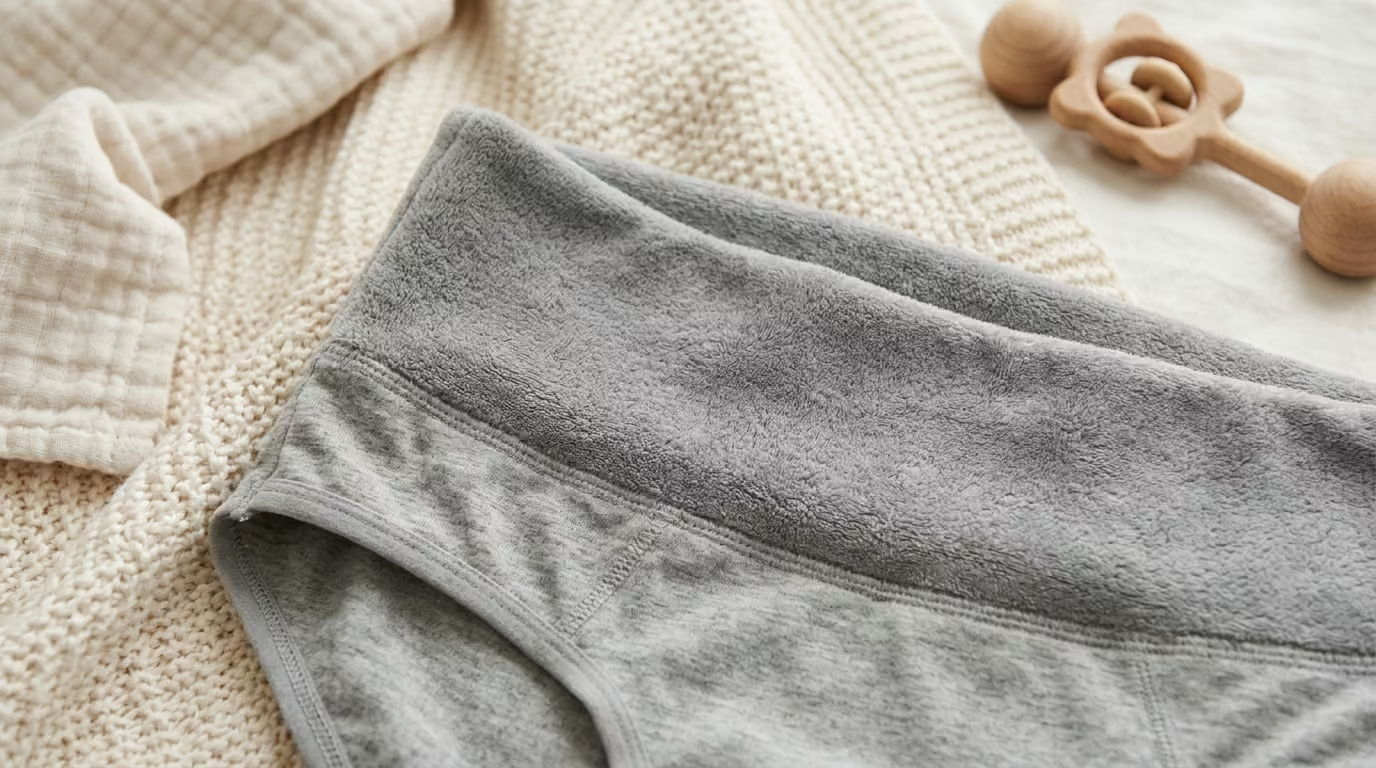
Body shape often changes after pregnancy, which means old sizing may no longer feel right. Choosing new sizes with intention during this time makes a real comfort difference.
Postpartum Panties and Sizing Changes
Postpartum panties typically run slightly looser through the hip and waist to accommodate a body still adjusting after delivery. Softer, wider waistbands are especially important during this stage, since sensitivity around the abdomen is common. Sizing up temporarily is completely normal and often more comfortable than sticking to a pre-pregnancy size.
High-Waist Panties After a C-Section
High waist panties after a c-section should sit above the incision line rather than directly on top of it, reducing pressure on healing skin. A soft, wide waistband with gentle compression can offer light support without irritating the area. Checking with a healthcare provider about timing and pressure tolerance is always a smart step during early recovery.
Common Panty Sizing Mistakes to Avoid
A few small mistakes cause most sizing complaints, and nearly all of them are easy to avoid once you know what to watch for. Skipping measurements and guessing based on regular clothing size is the most frequent error, since underwear sizing rarely lines up with dress or pants sizes.
Another common mistake is ignoring fabric stretch when picking a size. A style with more elastane can often be sized down slightly, while a rigid, low-stretch fabric usually needs a truer fit to the measured size. Rechecking measurements every year or two also helps, since body size naturally shifts over time even without major weight changes.
How Fabric Stretch Affects Your Ideal Size
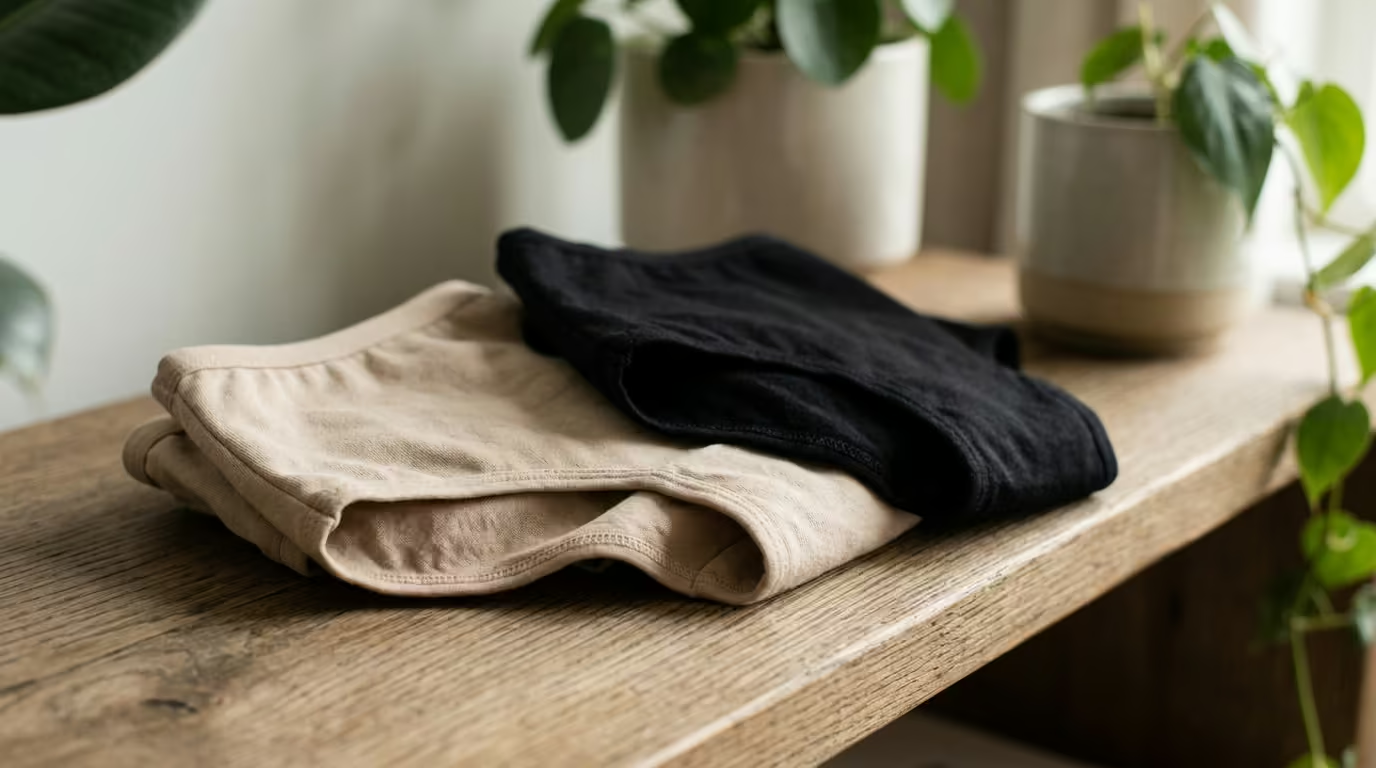
Fabric composition plays a bigger role in fit than most shoppers realize, sometimes more than the size number itself. Two pairs listed as the same size can feel completely different depending on how much stretch the fabric offers.
High-Stretch Fabrics and Sizing Flexibility
Fabrics with a higher percentage of elastane or spandex flex more easily around the body, which sometimes allows for sizing down slightly from your measured number. This is especially true for seamless or stretch-lace styles built to hug the body closely. Checking the fabric composition listed on a product page gives a helpful clue before finalizing a size choice.
Low-Stretch Fabrics and the Importance of True Sizing
Fabrics like pure cotton with little to no elastane offer far less give, so sizing accurately to your actual measurements becomes more important. Rounding down a size in a low-stretch fabric often leads to a tight, uncomfortable fit within the first wear. When in doubt with a low-stretch style, sizing up rather than down usually produces a better result.
How Panty Sizing Differs Across Brands and Regions
One of the most confusing parts of buying underwear online is realizing that sizing is far from standardized. A size that fits perfectly from one brand can feel completely different from another, even when both labels use the same letter or number.
Why Sizes Vary So Much Between Brands
Every brand designs its own fit model and pattern, which means there is no single universal standard across the industry. Some brands run generously through the hip, while others cut narrower through the waistband. This is exactly why relying on a specific brand’s size chart, rather than your usual size from another store, gives far more accurate results.
Understanding Regional Sizing Differences
International shoppers often notice that sizing systems differ by region, with some charts using letters, others using numbers like 80 or 100, and others based directly on centimeter measurements. When shopping from international or regional retailers, checking whether the chart uses local or international sizing prevents an unpleasant surprise at checkout. Converting your own waist and hip measurements into centimeters ahead of time makes comparing across systems much easier.
Keeping Track of Your Measurements Over Time
Measurements are not a one-time task, since bodies naturally shift due to age, activity level, and life stages like pregnancy. Writing your waist and hip numbers down somewhere easy to find, like a notes app, saves time on every future order. Revisiting those numbers every six to twelve months keeps future purchases accurate without needing to remeasure from scratch each time.
Signs Your Current Panty Size Is Wrong
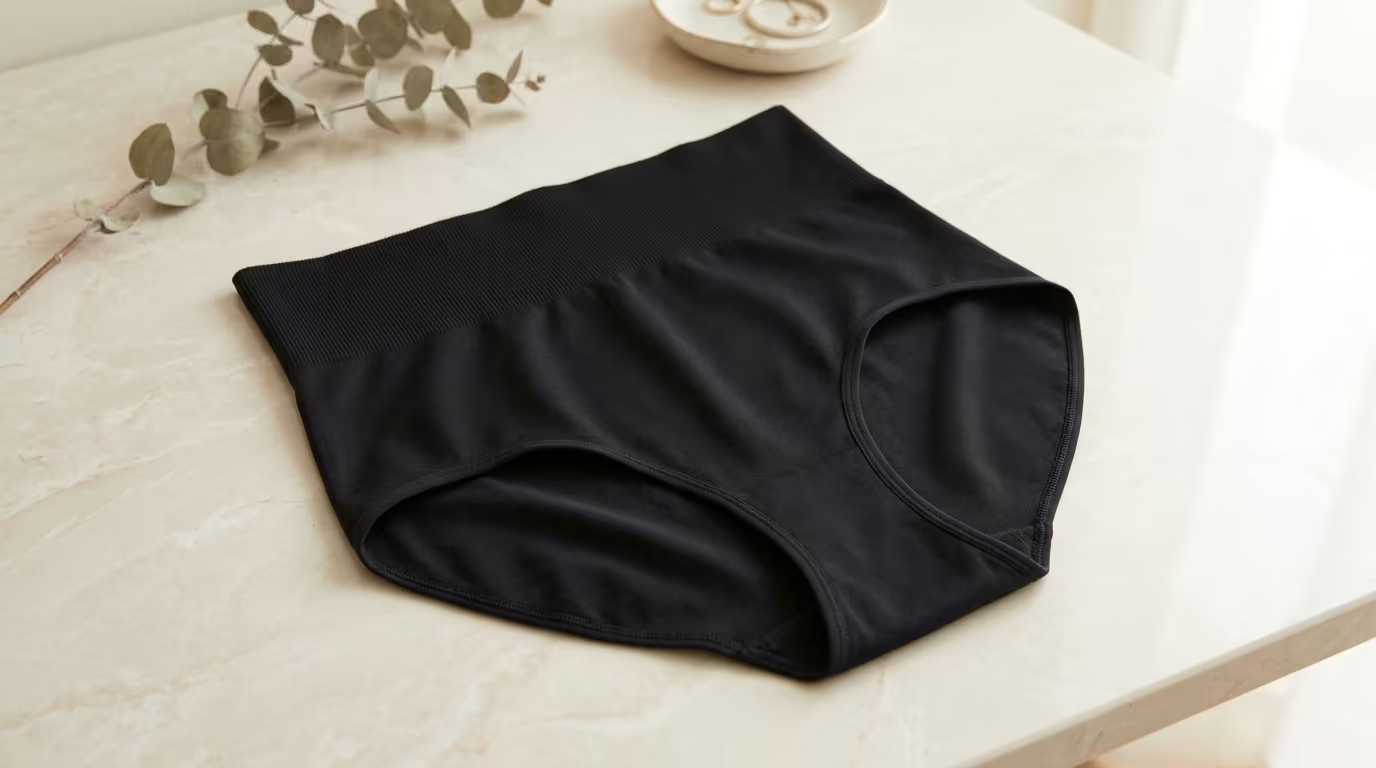
A few clear signs point to sizing trouble before you even need to check the tag. Waistbands that roll down repeatedly usually mean the size is too big, while deep red marks left on the skin after removal point to a size that is too small. Constant readjustment throughout the day is another common signal, often meaning the current size or style simply does not match your body anymore. Paying attention to these signals, rather than sticking with a familiar size out of habit, leads to a far more comfortable everyday fit.
Frequently Asked Questions
How do I know my correct panty size?
Measure your waist and hips with a soft tape measure, then compare both numbers to the brand’s specific size chart. Always check the chart for each brand, since sizing varies between them.
What if my waist and hip measurements point to different sizes?
For low-rise styles, follow your hip measurement. For high-waisted styles, follow your waist measurement instead, since that is where the fit matters most.
Are plus size panties sized differently than standard sizes?
Yes, plus size panties usually include a wider gusset, softer waistband, and different proportions than standard sizing. Always check the brand’s dedicated plus size chart.
Should I size up after pregnancy?
Many people size up temporarily after pregnancy while the body adjusts. Softer, wider waistbands are especially helpful during postpartum recovery.
What size should I choose for high-waist panties after a c-section?
Choose a size with a waistband that sits comfortably above the incision line, not directly on it. A soft, non-restrictive fit is more important than exact sizing during early recovery.
Do panty size numbers like 85 or 100 refer to centimeters?
Yes, many international size charts use numbers tied to centimeter measurements of the waist or hip. Always confirm the exact range with the specific brand’s chart.
How often should I remeasure for panty sizing?
Remeasuring once a year, or after any major body change, keeps your sizing accurate. Bodies shift gradually, even without noticeable weight changes.
What is the biggest mistake people make when choosing panty size?
The most common mistake is guessing based on regular clothing size instead of measuring directly. Underwear sizing rarely matches dress or pants sizing exactly.
Final Thoughts
Finding the right panty size comes down to a few accurate measurements and a little patience with size charts. Whether you are shopping for everyday basics, plus size options, or recovering after pregnancy, the right fit changes how comfortable underwear feels every single day.
Once your measurements are in hand, browse the high-waist panties collection for supportive, well-fitted options built for real bodies at every stage.