

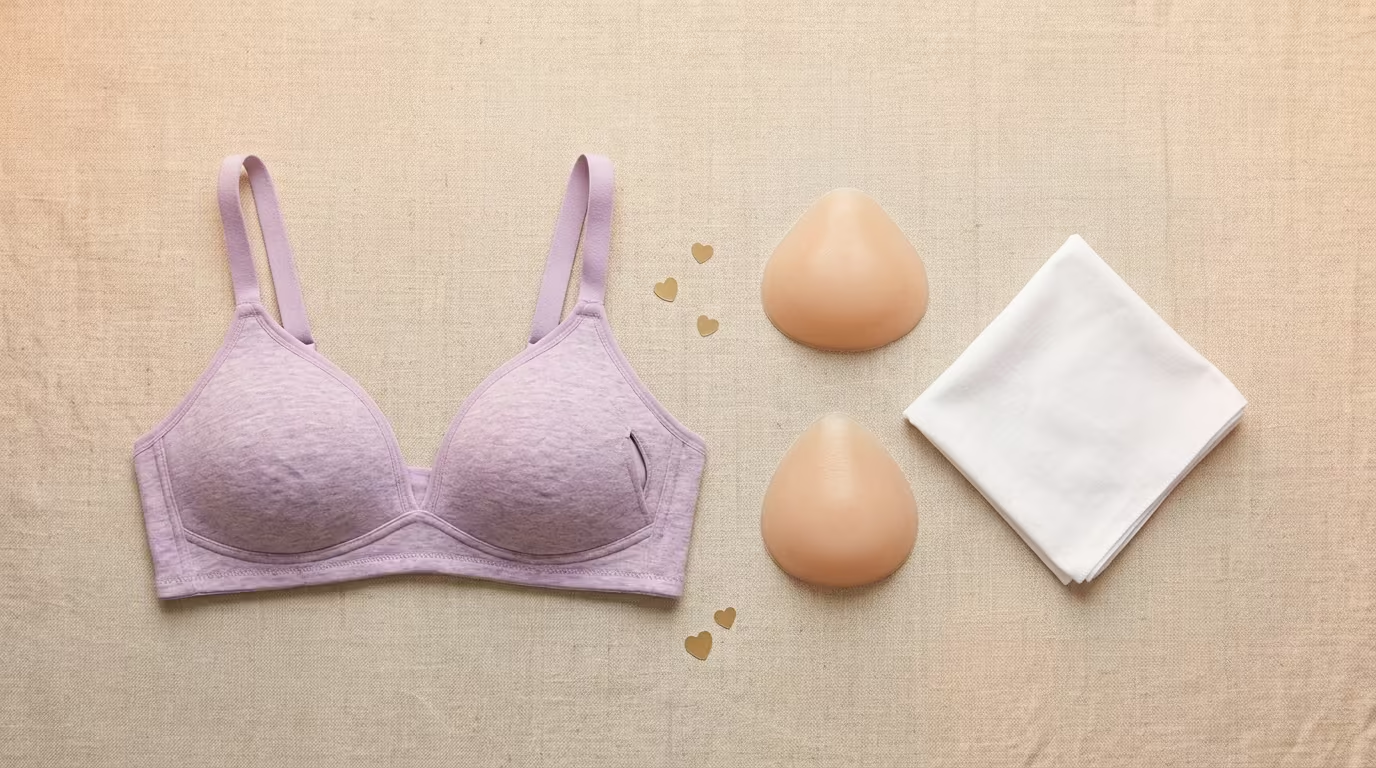
Recovering from breast surgery brings enough to think about without also struggling to find a bra that actually feels comfortable. Standard bras often press directly on healing tissue, dig into scars, or simply do not accommodate a breast form the way they need to. Finding the right post-surgery bra early on can make daily routines noticeably easier during an already difficult time.
A properly designed mastectomy bra is built with recovery in mind, using soft fabric, wide straps and pockets for a prosthesis when needed. This guide walks through what to look for building on the general shopping tips from our guide to lingerie online, while always encouraging readers to follow their surgeon’s or breast care nurse’s specific advice.
What Is a Mastectomy Bra and Who Is It For?
A mastectomy bra is designed for anyone recovering from breast surgery, whether that involves a full mastectomy, a lumpectomy, or breast reconstruction. Unlike a standard bra, it prioritizes gentle support over shaping, since comfort against healing skin matters far more than silhouette in the early recovery period. Many women find that their usual bra size and style simply do not work the same way once healing begins, which is exactly why this category exists.
Many mastectomy bras also include built-in pockets that hold a breast form or prosthesis securely in place. This feature allows the bra to maintain a natural, balanced shape even for women who are not using reconstruction, giving both comfort and confidence during recovery. Some women use these bras only temporarily during healing, while others rely on them as a long-term wardrobe staple, and both approaches are entirely normal.
Key Features to Look For in a Mastectomy Bra
Not every soft bra qualifies as a true mastectomy bra, since recovery has specific needs that everyday lingerie was never designed to address. Looking for a few key features helps separate a genuinely supportive option from one that simply looks soft on the outside. Checking these details before buying can save both time and discomfort during an already demanding period.
Fabric choice matters enormously here. Soft, breathable materials without rough seams reduce irritation against sensitive, healing skin, while wider straps distribute weight more evenly across the shoulders during a period when comfort should always come first. Many women also find that a slightly looser overall fit, rather than a tightly compressive one feels better in the weeks immediately following surgery.
Soft, Seam-Free Interior Lining
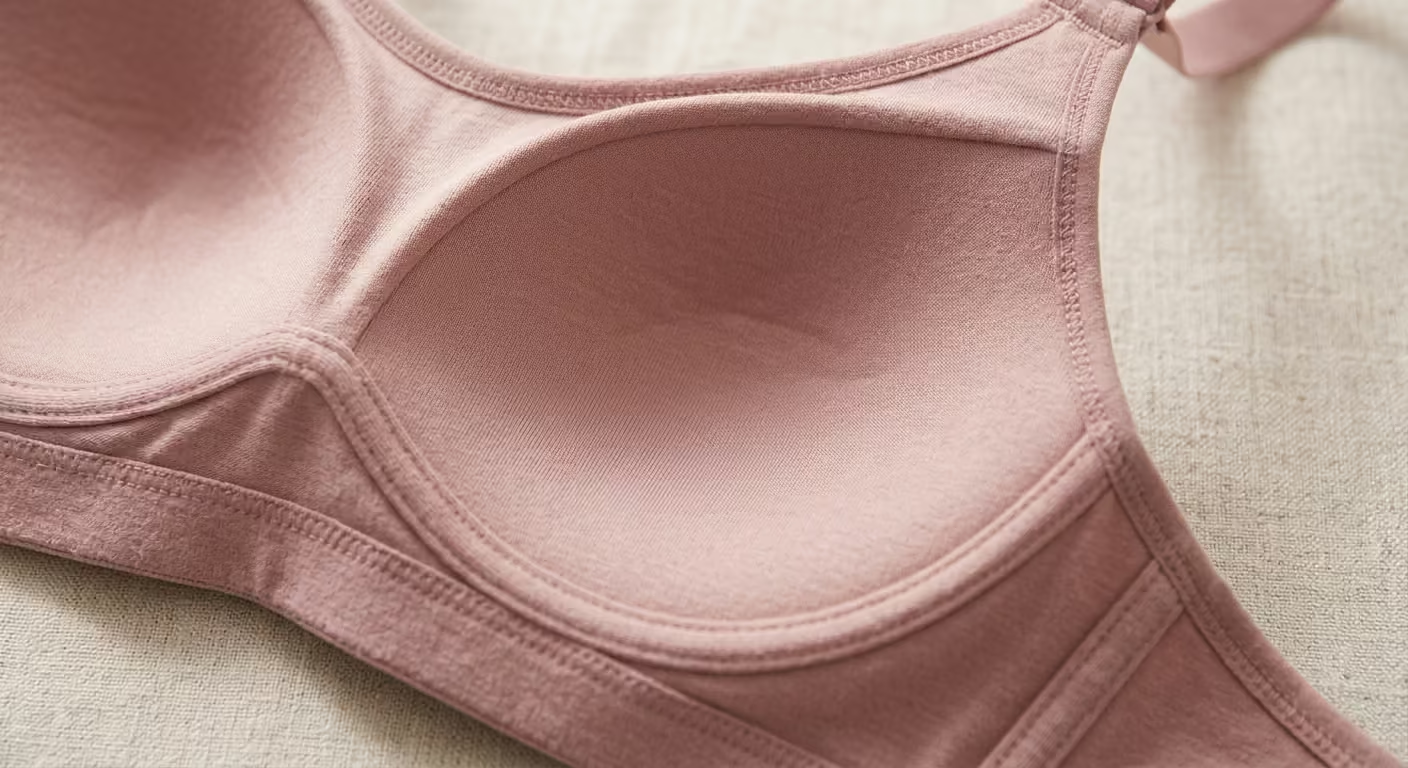
A smooth, soft lining along the inside of the cup prevents rubbing against surgical scars or sensitive skin. Many mastectomy bras use seam-free construction specifically in this area, since even a small ridge can cause noticeable discomfort during recovery.
Breathable fabric also plays an important role, especially for anyone still managing swelling or wearing a compression garment underneath. Cotton blends and soft microfiber tend to work well, since they reduce heat buildup without adding unnecessary pressure to the area.
Wide, Adjustable Straps and Front Closures
Wide straps spread weight more evenly across the shoulders, which matters significantly for anyone recovering from surgery involving the chest or underarm area. This detail reduces strain during a period when the body needs extra gentleness overall, and it is often one of the first improvements women notice when switching to a proper post-surgery bra.
A strapless mastectomy bra is less common for early recovery but can suit specific situations further along in healing. For most women, a front-closing bra makes daily dressing significantly easier, especially when shoulder mobility is still limited after surgery.
Choosing Between Pocketed, Compression, and Post-Surgery Bras
Different stages of recovery call for different bra types, and understanding these categories helps shoppers choose something appropriate for where they are in the healing process. Always check with a surgeon or breast care nurse before selecting a specific style.
Compression bras, pocketed mastectomy bras, and soft post surgery bras each serve a distinct purpose. Knowing the difference prevents buying the wrong type for the current stage of recovery, which can be uncomfortable or even counterproductive to healing.
Compression Bras for Early Recovery
A compression bra after mastectomy is often recommended for the first few weeks following surgery, since gentle, even pressure can help reduce swelling and support the healing tissue. These bras typically avoid underwire completely and use soft, stretchy fabric instead, since anything rigid could press uncomfortably on healing incisions.
Surgeons sometimes also suggest specially designed camisoles or soft post-surgery tops during this early stage, particularly for anyone still managing surgical drains. Following specific guidance from a healthcare provider matters most during this initial recovery window, since every surgery and every body heals at its own pace.
Pocketed Bras for Breast Forms
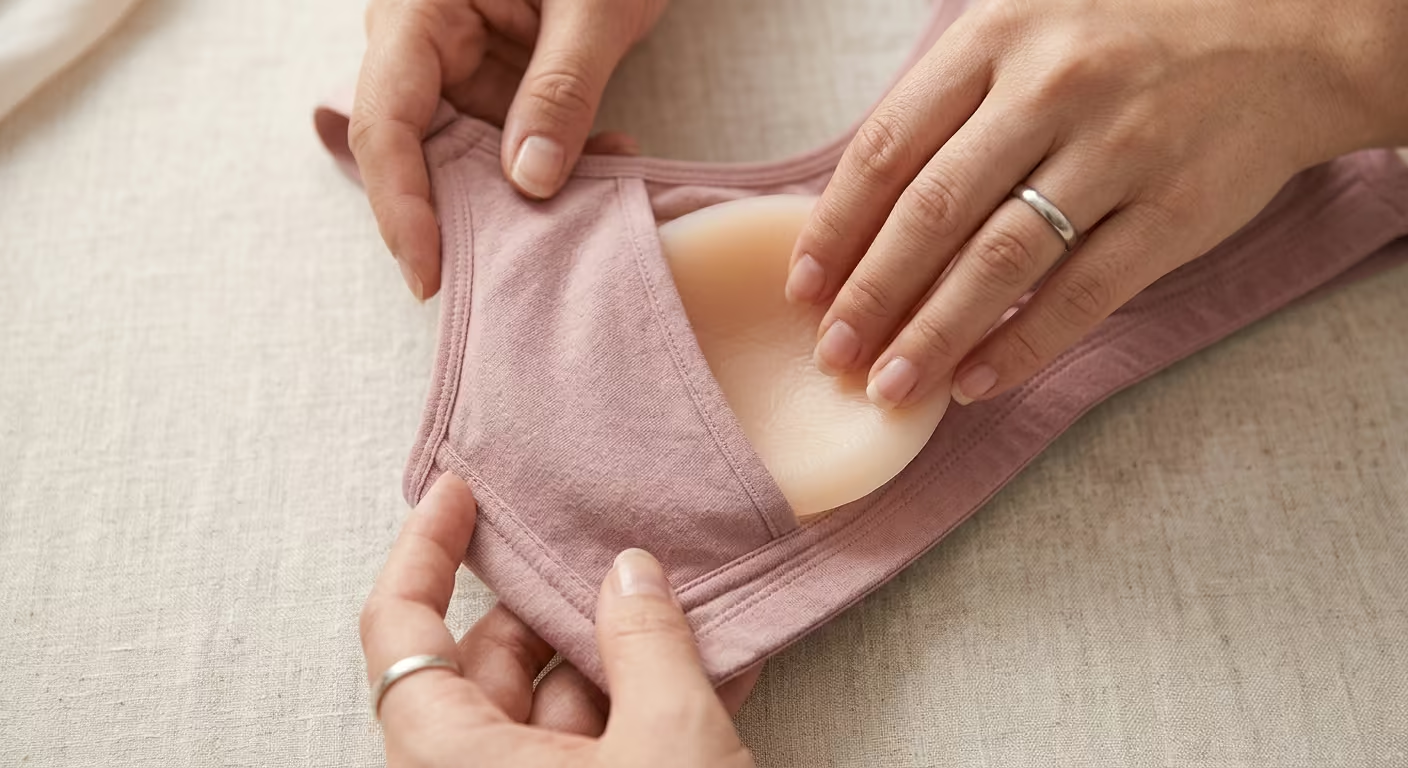
For women using a breast form rather than reconstruction, a bra with built-in pockets holds the prosthesis securely and comfortably in place. Mastectomy bra inserts are typically sold separately, so checking pocket size and depth against the specific insert matters for a proper fit. Trying the insert inside the actual pocket before purchasing, whenever possible, is the most reliable way to confirm everything sits and moves naturally together.
A racerback mastectomy bra can offer additional stability for the prosthesis during more active days, since the crossed strap design distributes weight slightly differently than standard straps. This style suits anyone returning gradually to regular activity levels, though it is worth checking with a care team before resuming more strenuous movement.
How to Get Properly Fitted for a Mastectomy Bra
Because bodies change throughout treatment and recovery, getting measured before buying a mastectomy bra matters more than it does for standard lingerie shopping. A bra that fit perfectly before surgery may not fit the same way afterward, and that is a completely normal part of the healing process rather than a sign that anything has gone wrong.
Many specialty retailers and hospitals offer fitting services specifically for post-surgery bras and breast forms. Booking one of these appointments, when available often leads to a far more comfortable and accurate result than guessing based on a previous size alone. Some insurance plans also cover part of the cost for mastectomy bras and breast forms so it is worth asking a care team or insurance provider about what support may be available.
Working With a Certified Fitter

A certified mastectomy fitter understands the specific needs of post-surgery bodies in a way that a general lingerie associate typically does not. According to the American Cancer Society fitting for a breast form or mastectomy bra should focus on comfort, natural appearance, and proper support rather than price alone. A good fitter will also check how the bra sits under different types of clothing, since fit can look different under a fitted blouse than under a loose sweater.
Bringing an existing breast form, if one is already in use, to any fitting appointment helps ensure the pocket size and depth actually match. This small step prevents a frustrating situation where the bra and the prosthesis do not sit together properly, which can affect both comfort and confidence throughout the day.
Measuring at Home if a Fitting Service Is Unavailable
When a professional fitting is not accessible, careful at-home measuring is the next best option. Measuring the ribcage for band size and the fullest remaining area for cup size follows similar principles to standard bra sizing, adjusted for any changes in shape and comfort level.
Trying a bra on and checking for gaping pinching or pressure on scars is especially important here. Because recovery bodies vary so much from one person to the next, standard size charts should always be treated as a starting point rather than a guarantee and a slightly imperfect fit in the first attempt is a completely normal part of the process.
Comfort and Care Tips for Everyday Wear
Once the right mastectomy bra is found, a few simple habits help keep it comfortable and functional for as long as it is needed. Recovery timelines vary widely, so a well-cared-for bra can remain a reliable, comfortable option for months.
Checking in with a surgeon or breast care nurse periodically about bra needs is also worthwhile, since recommendations can change as swelling decreases or as reconstruction progresses through different stages.
Washing and Handling Mastectomy Bras Gently
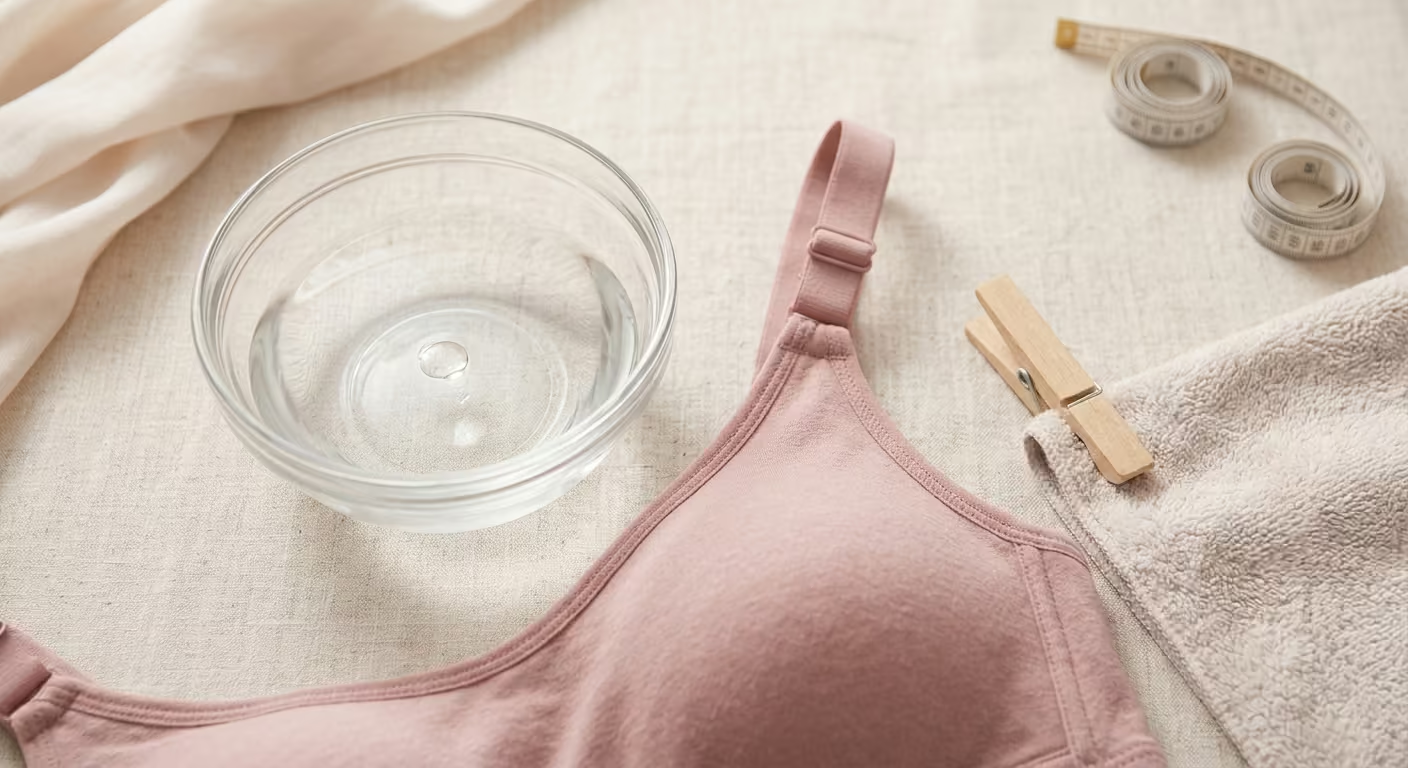
Hand washing with a mild detergent protects both the soft lining and any pocket stitching from breaking down too quickly. Avoiding harsh fabric softeners also helps preserve the breathable qualities of the fabric against sensitive skin, which matters most in the weeks and months right after surgery.
Air drying flat, rather than using a dryer, prevents any structural elements from warping under heat. This gentle care routine matters even more here than with standard lingerie, since comfort against healing or sensitive skin is the entire point of the garment. Keeping two or three bras in rotation also reduces how often any single one needs washing, which can further extend its usable life.
Transitioning to Everyday Bras Over Time
As healing progresses, many women gradually transition back toward softer, wire-free everyday bras rather than dedicated post-surgery styles, always following guidance from their care team about timing. A soft, wire-free option like the BANERDANNI Japanese Edition Thin Wireless Bra can be a gentle choice to consider once a doctor confirms it is appropriate for that stage of recovery.
This transition looks different for everyone, and there is no single timeline that applies to every recovery. Patience, along with ongoing communication with a healthcare provider, remains the most reliable way to know when it is the right time to change bra styles. Some women move through this transition within a few months, while others take considerably longer, and both experiences are completely valid parts of an individual healing journey.
Frequently Asked Questions
What is a mastectomy bra?
A mastectomy bra is designed for post-surgery comfort, often including soft seam-free lining, wide straps and pockets for a breast form. It prioritizes gentle support over shaping during recovery.
When should I start wearing a compression bra after mastectomy?
Timing varies by individual and surgery type, so it is important to follow specific guidance from a surgeon or breast care nurse rather than a general timeline.
Do all mastectomy bras have pockets for inserts?
Not all of them. Some are designed purely for soft, wire-free support while others include built-in pockets specifically for holding a breast form or prosthesis securely.
Where can I get properly fitted for a mastectomy bra?
Many specialty retailers, hospitals, and cancer support centers offer certified fitting services. Bringing an existing breast form to the appointment helps ensure an accurate match.
Can I wear an underwire bra after mastectomy surgery?
This depends on individual healing and should always be confirmed with a doctor first, since underwire can press uncomfortably on scars or sensitive tissue during recovery.
How is a mastectomy bra different from a regular soft bra?
A mastectomy bra typically includes seam-free lining, wider straps, and pockets for a prosthesis, all specifically designed around post-surgery comfort and support needs.
How often should I replace mastectomy bra inserts?
This varies by product and usage, so checking manufacturer guidance for the specific insert is the most reliable way to know when replacement is recommended.
When can I transition back to a regular bra after surgery?
There is no single timeline, since recovery differs for everyone. Always check with a surgeon or breast care nurse before switching back to standard bra styles.
Conclusion
Choosing the right mastectomy bra comes down to prioritizing gentle, seam-free comfort alongside practical features like pockets and wide straps. Every recovery journey looks a little different so working closely with a healthcare provider remains the most important step throughout the entire process.Comfort and confidence matter at every stage of recovery. Explore the soft wire-free bra collection for gentle options to discuss with your care team as your needs change over time.