

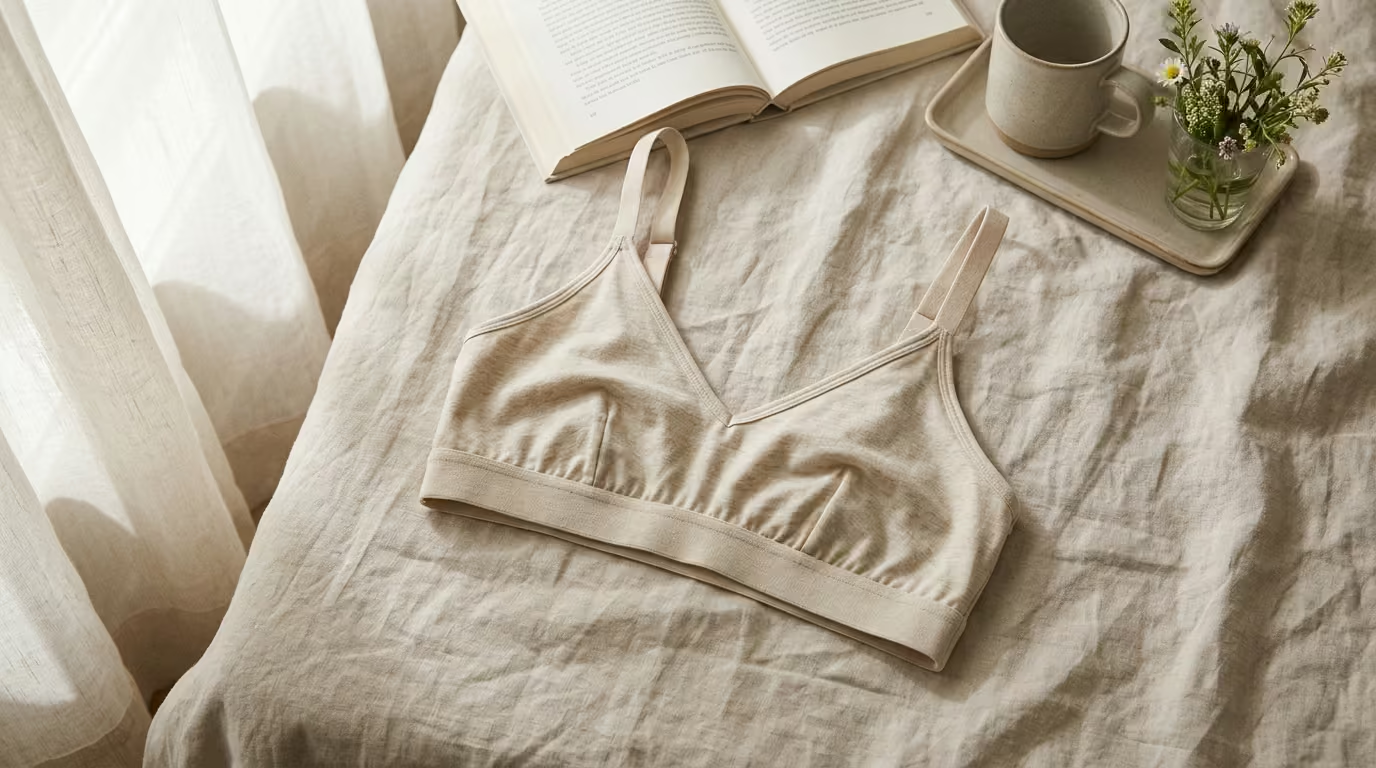
Sports Bra Guide: Support, Sizing and Choosing the Right Fit for Every Workout
Nothing derails a good workout faster than a bra that bounces, digs in, or slides out of place halfway through a run. Many shoppers grab whatever sports bra is on sale without thinking about impact level, and then wonder why it never feels quite right once the workout actually starts.
The truth is that a sports bra is not a one-size-fits-all category. Support levels, fabric choices, and strap styles all change depending on the activity and the body wearing them. This guide expands on the fit principles covered in our best bras for large busts guide and applies them directly to active wear, so every workout starts with the right support already in place.
Why Support Level Matters More Than Style
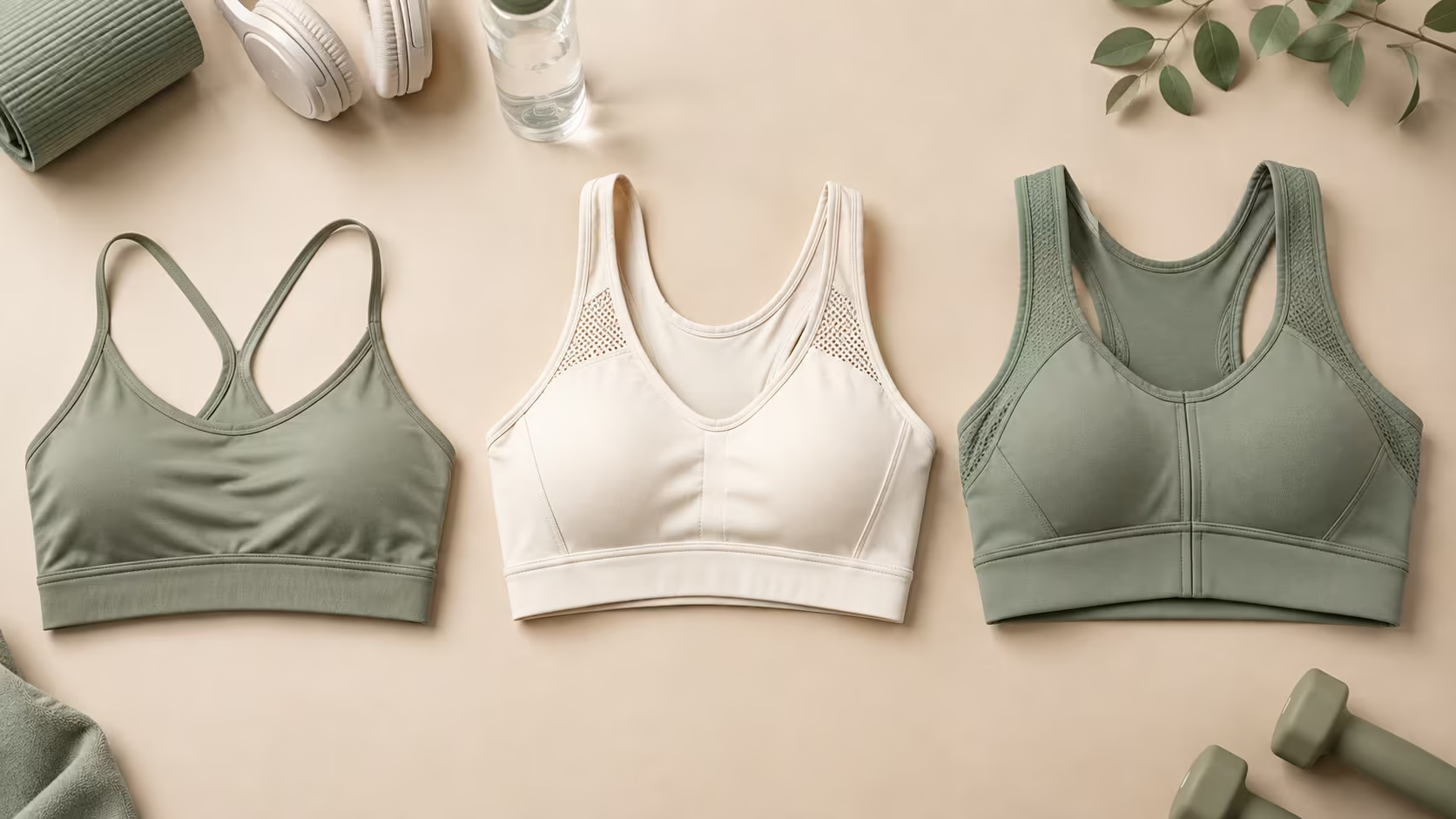
Before thinking about color or cut, every shopper should think about impact level first. A sports bra built for yoga will not hold up during a sprint, and a bra built for running may feel unnecessarily restrictive during a slow walk or a stretching session. Matching support to activity is the single most important sizing decision.
Impact level generally falls into three categories: low, medium, and high. Low-impact styles suit yoga, pilates, and walking. Medium-impact bras work well for cycling or strength training. High impact styles are built for running, jumping, or any activity involving repeated, fast movement of the chest.
Understanding Low, Medium, and High Impact Levels
A low-impact sports bra usually looks similar to a bralette, offering light compression without much structure. It suits activities where the body stays relatively still, such as gentle stretching, seated workouts, or slow-paced walking around the block.
A high impact sports bra relies on encapsulated cups, wider bands, and reinforced straps to control movement during fast-paced activity. This category is essential for running, aerobics, or any high energy class where bounce control genuinely affects both comfort and performance.
Compression vs Encapsulation Design

Compression-style sports bras press the breast tissue against the chest, which works reasonably well for smaller busts during lower-impact activity. However, this design can flatten the chest and create discomfort for larger busts, since it does not separate or individually support each breast.
Encapsulation-style bras use individual cups, much like a traditional bra, to support and separate the breasts rather than compress them. This structure usually gives far better support for a best sports bra for large bust search, since it distributes weight more evenly across the band and straps.
Choosing the Right Sports Bra for Your Activity
Different workouts place very different demands on a sports bra, so thinking about the specific activity ahead of time makes shopping much easier. A bra that performs beautifully during a slow yoga flow may completely fail during an intense interval training session an hour later.
Fabric choice also shifts depending on the workout environment. Moisture-wicking blends suit intense cardio sessions, while breathable cotton blends work well for lower-intensity movement or lounging between exercises at the gym.
Best Sports Bra Features for Running and High-Intensity Training
Running places repeated stress on the chest with every stride, so a high support sports bra with wide, adjustable straps and a firm underband is essential. Encapsulated cups reduce bounce more effectively than compression alone, especially for anyone training over longer distances.
Ventilated mesh panels also help manage sweat during longer sessions. A mesh sports bra keeps airflow moving across the back and sides, which reduces overheating and chafing during extended cardio work or hot outdoor training conditions.
Best Sports Bra Features for Low-Impact Activity
For yoga, pilates, or gentle stretching, comfort and flexibility usually matter more than maximum compression. A comfortable sports bra with soft, stretchy fabric and minimal seams allows a fuller range of motion without restricting deep breathing during a session.
A racerback sports bra works particularly well here, since the crossed strap design keeps everything secure during overhead movements common in yoga and pilates. This style also tends to layer nicely under lightweight jackets for cooler studio environments.
Sports Bra Sizing: Getting the Fit Right
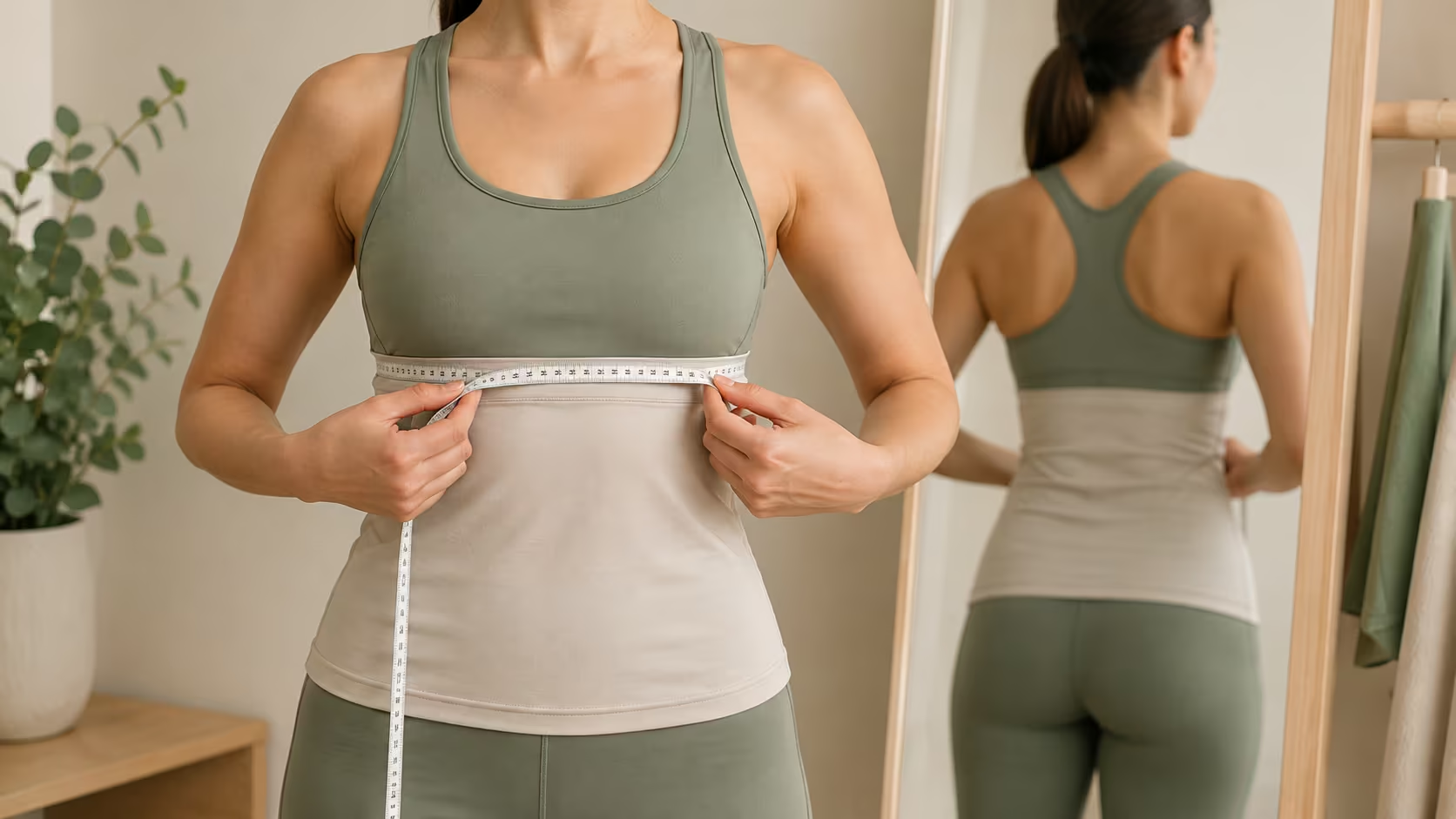
Sizing mistakes are one of the most common reasons a sports bra underperforms. A band that rides up during movement is almost always too loose, while straps that leave deep marks on the shoulders usually signal a band that is too tight elsewhere, forcing the straps to compensate.
Unlike everyday bras, sports bras should feel snug from the very first wear rather than needing a break in period. A properly fitted band should sit level around the ribcage without riding up, even during jumping jacks or a light jog in the fitting room.
How to Use a Sports Bra Size Calculator
A sports bra size calculator typically asks for both band and bust measurements, similar to standard bra sizing. However, because sports bras often use compression sizing rather than traditional cup letters, results may translate slightly differently than a regular bra size.
When in doubt, sizing down in the band while keeping the recommended cup size usually improves support for high-impact activity. Testing the fit with a few jumps or arm raises in the fitting room reveals far more than simply checking the mirror while standing still.
Common Sports Bra Sizing Mistakes to Avoid
Many shoppers choose a sports bra based on their regular bra size without accounting for the different fit philosophy behind active wear. This often results in a band that is too loose, since sports bras are designed to fit more snugly than everyday styles from the very start.
Ignoring impact level is another common mistake. A 34dd sports bra built for low-impact yoga will not provide nearly enough support for a fuller bust during a high-intensity class, no matter how accurately the band and cup size were measured beforehand.
Sports Bra Styles and Special Features
Beyond basic support, sports bras now come with a wide range of practical features designed for real workout conditions. From zip fronts to built-in pockets, these small details can make a noticeable difference in day-to-day comfort and convenience.
Choosing the right style also depends on personal preferences around dressing and undressing after sweaty workouts, along with any specific needs like nursing, back support, or layering under other activewear pieces.
Zip Front and Adjustable Sports Bras
A zip up sports bra removes the need to wriggle out of a tight, sweaty bra after an intense session, which many shoppers genuinely appreciate. This style also makes it easier to check the fit and tighten the band precisely before heading into a workout.
An adjustable sports bra with customizable straps and multiple hook positions on the band allows the fit to change slightly over time. This flexibility is especially useful for anyone whose weight or activity level fluctuates throughout different seasons of the year.
Sports Bras With Extra Functionality
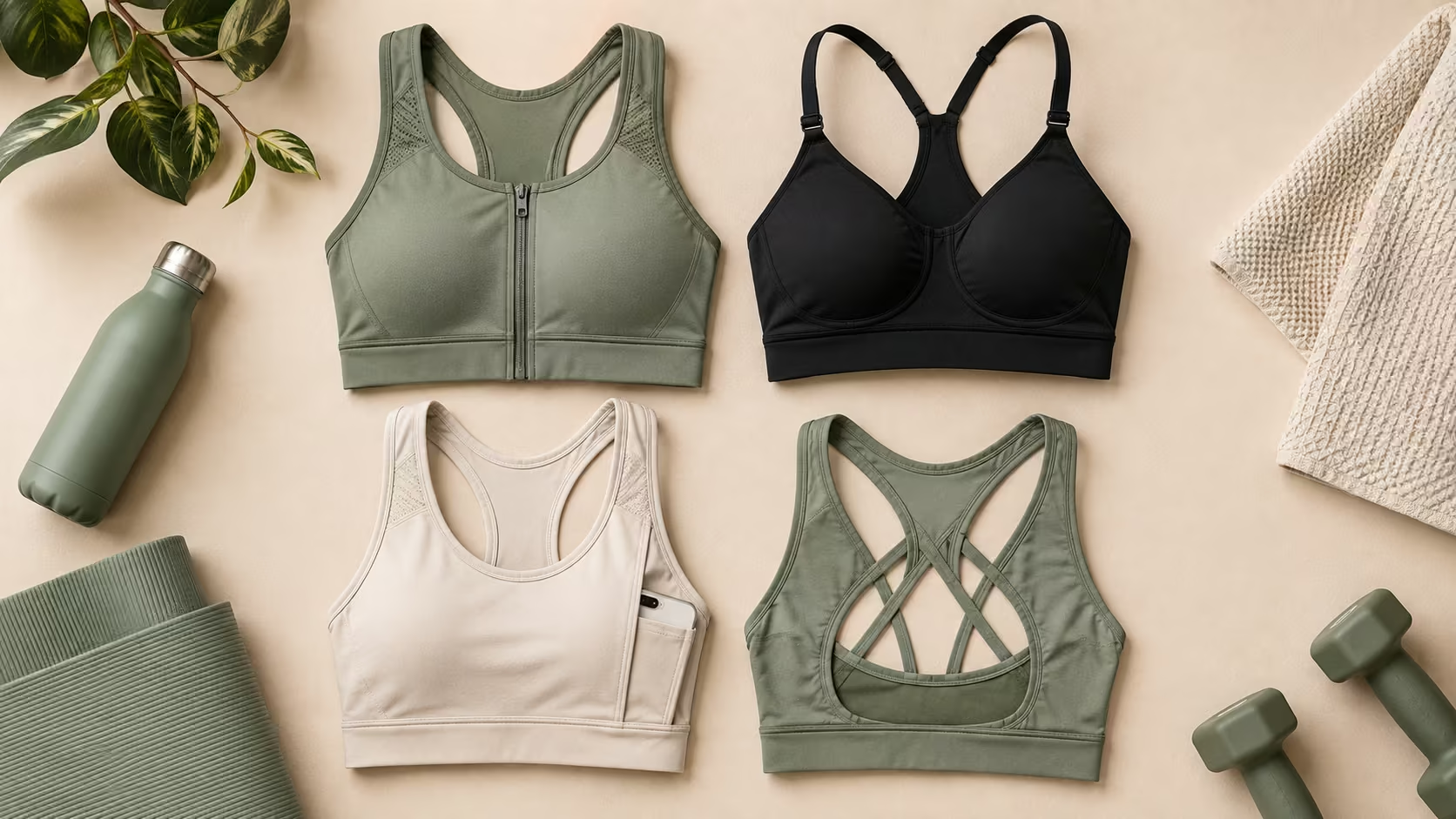
A sports bra with pocket adds convenient storage for a phone or key during a run, removing the need for an armband or extra bag. This small feature has become increasingly popular among runners who prefer to travel light during outdoor workouts.
A backless sports bra suits warmer climates or outdoor training sessions where tan lines and airflow both matter. These styles usually rely on a wider band and reinforced side panels to make up for the reduced coverage across the back.
Caring for Your Sports Bra to Extend Its Life
Sports bras work harder than almost any other item in a lingerie drawer, absorbing sweat and stretching repeatedly during every session. Proper care extends their lifespan significantly and keeps the elastic fibers performing the way they did on the very first wear.
Rinsing a sports bra soon after a workout, rather than letting sweat sit for hours, helps prevent both odor buildup and fabric breakdown over time. This small habit makes a noticeable difference after just a few months of regular use.
Washing and Drying Tips for Active Wear
Machine washing in a mesh bag on a gentle, cold cycle protects both the elastic and any reinforced panels from unnecessary wear. Skipping fabric softener also helps, since it can coat moisture-wicking fibers and reduce their ability to pull sweat away from the skin.
Air drying flat, rather than using high heat in a dryer, protects both the elastic band and any bonded seams from warping. According to research from the University of Portsmouth, wearing a supportive sports bra can reduce pectoral muscle activity by up to 55 percent during running, which highlights just how much a properly fitted, well-maintained bra genuinely affects performance.
Knowing When to Replace Your Sports Bra
A sports bra that has lost its elasticity, developed a stretched-out band, or no longer sits snugly should be replaced, since reduced compression means reduced support. Most active wearers should expect to replace a heavily used sports bra every six months or so.
Fading fabric or loosening straps are early warning signs worth paying attention to before support drops noticeably. Ready to find the right level of support? Browse the full range to shop women’s bras online and filter by impact level, size, and activity type.
Frequently Asked Questions
How do I choose the right sports bra for my activity?
Match the impact level to the activity: low-impact styles suit yoga and walking, medium-impact suits cycling, and high-impact styles suit running or jumping. Choosing the correct level improves comfort and reduces unnecessary bounce.
What is the best sports bra for a large bust?
An encapsulated design with individual cups, wide straps, and a firm underband usually performs best for a larger bust. This structure distributes weight more evenly than compression-only styles.
How should a sports bra fit?
A sports bra should feel snug immediately, with a level band that does not ride up during movement. Straps should stay secure without digging in deeply, even during fast or repetitive motion.
What is the difference between compression and encapsulation sports bras?
Compression bras press the breasts against the chest, suiting smaller busts and lower-impact activity. Encapsulation bras use individual cups to support and separate the breasts, offering better support for fuller busts.
Can I wear a regular bra size for a sports bra?
Not always. Sports bras often use a different, snugger sizing philosophy than everyday bras, so it is best to try a size down in the band if the fit feels loose during movement.
How often should I replace my sports bra?
Most sports bras should be replaced every six months with regular use, since elastic fibers lose their compression over time. A stretched-out band or fading support are clear signs it is time for a new one.
Are backless sports bras still supportive?
Yes, as long as they include a wide band and reinforced side panels to compensate for the reduced back coverage. These details help maintain support despite the more open design.
What features should a running sports bra have?
Look for encapsulated cups, wide adjustable straps, a firm under band, and moisture-wicking mesh panels. These features together reduce bounce and manage sweat during longer, higher-intensity sessions.
Conclusion
Choosing the right sports bra comes down to matching support level, cup structure, and fabric to the actual activity ahead. Once impact level and sizing are dialed in correctly, a sports bra stops being an afterthought and starts genuinely improving comfort and confidence during every workout.
Whether the goal is a gentle yoga flow or a high intensity run, the right support makes all the difference. Explore the full sports bra collection and find a style built for how you actually move.