
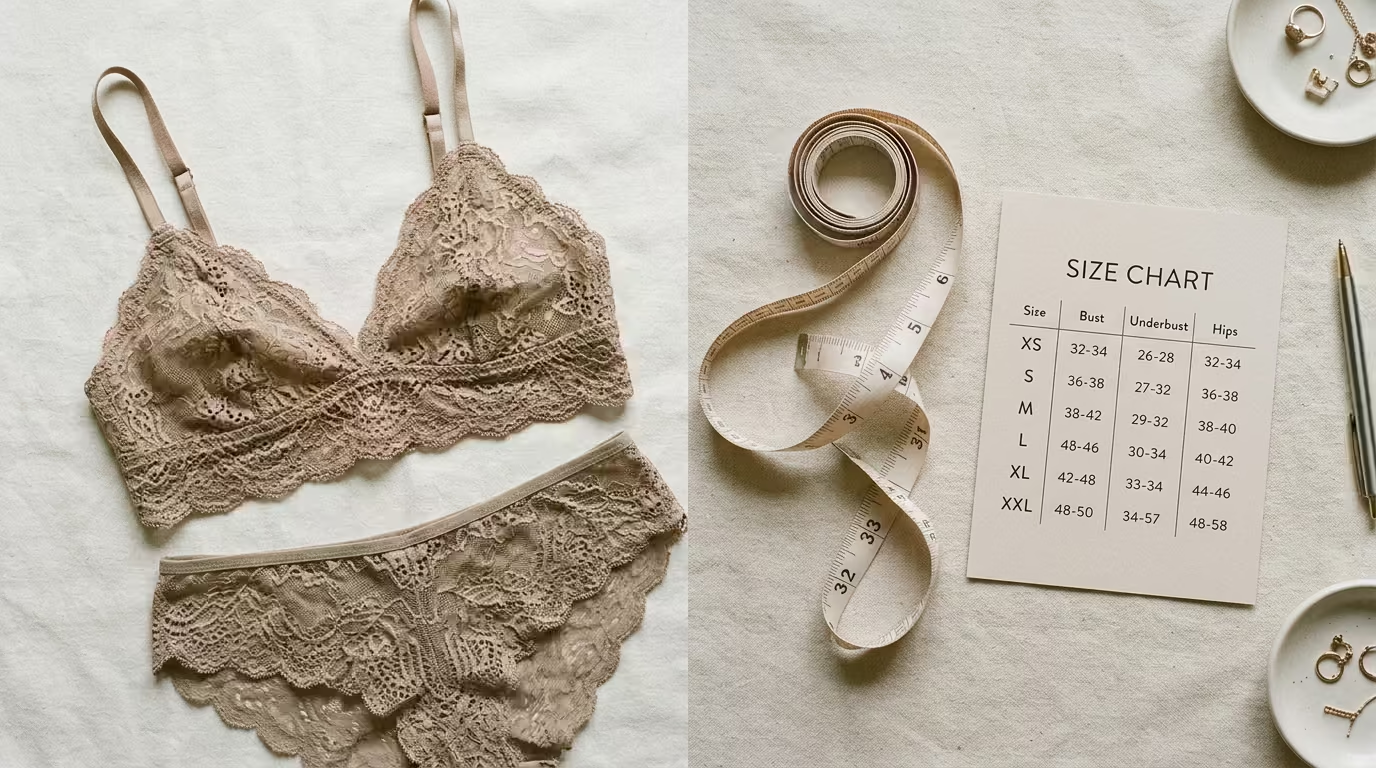
Shopping for women’s bras online sounds easy until the box arrives and nothing sits right. The band digs in the cups gape or the straps slide off your shoulders within an hour. Most women live with this problem for years without ever asking why.
Here is the good news. Once you understand how bra sizing actually works, buying women’s bras online becomes simple and even fun. This guide walks you through measuring, sizing and choosing styles so every order fits the first time and it points you toward pieces that pair well with the rest of your wardrobe.
Why So Many Women Wear the Wrong Bra Size
Roughly eight out of ten women are wearing a bra that does not fit their current shape. Bodies change with weight shifts, pregnancy and simple aging, but bra drawers rarely keep up. Many shoppers also guess their size once as a teenager and never measure again so the number on the tag stops matching reality.
Brands cut their sizing a little differently too which adds to the confusion. A 34C in one label might sit like a 34D in another. That is exactly why understanding your band size and cup size as ratios, rather than fixed numbers makes shopping so much smoother.
Common Signs Your Bra Doesn’t Fit
A few telltale clues point to a poor bra fit. The band rides up your back instead of sitting level. Your straps dig grooves into your shoulders by lunchtime. You notice cup spillage at the top or sides or the opposite problem, loose fabric and empty space where the cup gapes.
Another sign is constant fidgeting. If you are tugging the band adjusting straps or repositioning cups every hour the size is wrong somewhere. A properly fitted bra should feel secure enough that you genuinely forget you have it on.
How Wrong Sizing Affects Comfort and Health
An ill-fitting bra is not just annoying, it can lead to real discomfort. A loose band forces the shoulder straps to carry weight they were never designed for which causes neck and shoulder pain over time. A tight band can leave red marks and restrict easy breathing.
On the flip side, cups that are too small let the underwire rest directly on breast tissue instead of around it which is uncomfortable and can even cause soreness. Getting the size right protects both your comfort and your posture, so it is worth the ten minutes it takes to measure properly.
How to Measure Your Bra Size at Home
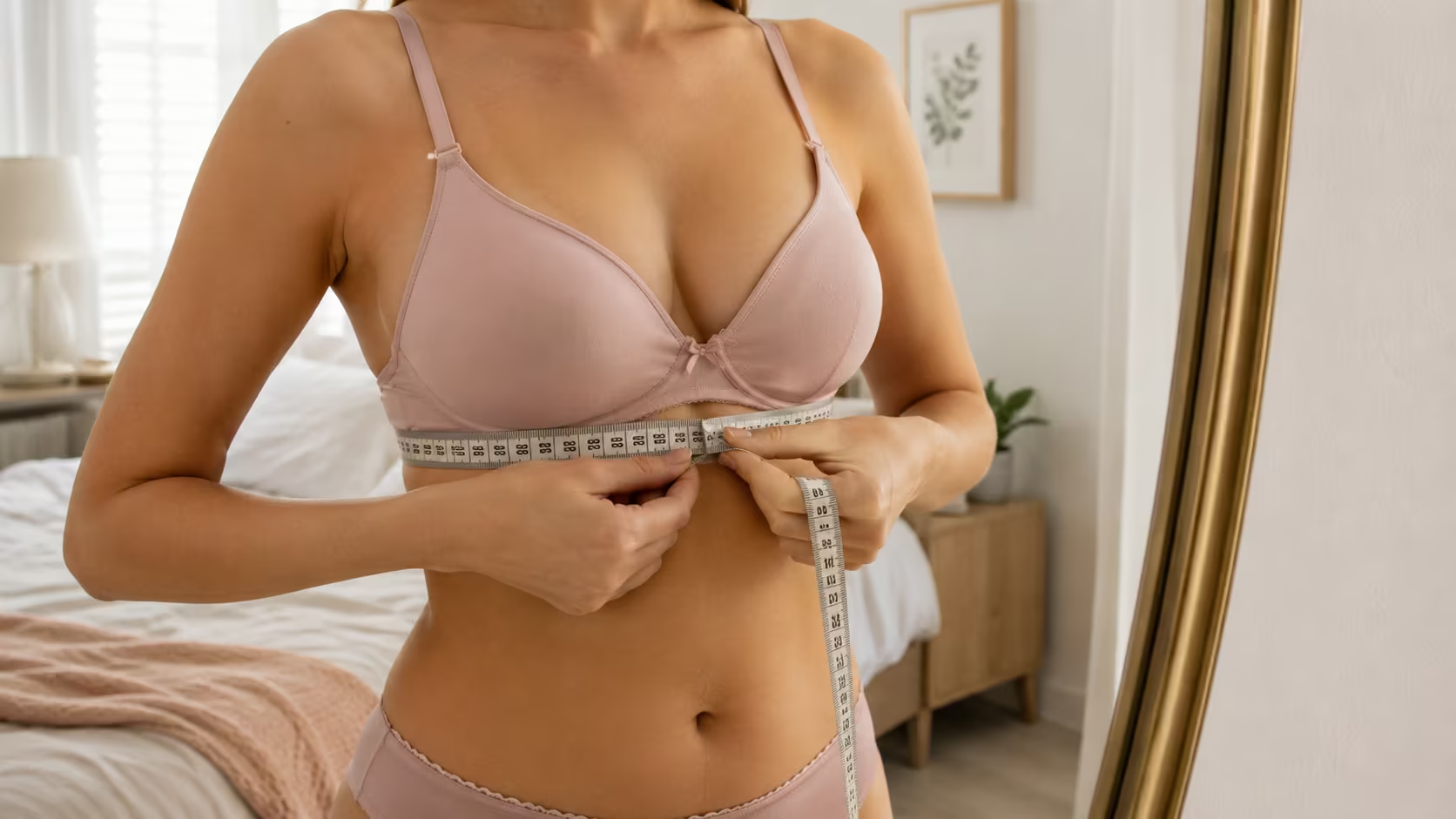
You do not need a professional fitting to get an accurate bra size. All you need is a soft measuring tape and a mirror. Wear a non-padded bra or go bare for the most honest numbers, and keep the tape level and snug not tight.
Take your measurements when you are relaxed and standing naturally. Breathing normally, rather than sucking in your stomach or puffing your chest gives you numbers you can actually trust for online shopping.
Measuring Your Band Size
Wrap the tape measure around your ribcage, directly under your bust, keeping it parallel to the floor. The tape should sit snug enough that you can slide one finger underneath comfortably. Round the number to the nearest whole inch, then add four if it is odd or five if it is even following most standard sizing charts.
This number becomes your band size the first part of your bra size. Since the band provides most of the support, roughly eighty percent according to fit experts getting this figure right matters more than most shoppers realize.
Measuring Your Cup Size
Next, measure around the fullest part of your bust again keeping the tape level and unstrained. Subtract your band measurement from this bust number. Each inch of difference corresponds to a cup letter so a one-inch difference is an A cup, two inches a B cup, and so on up the alphabet.
Remember that cup volume is relative to band size, not a fixed amount. A C cup on a 32 band holds far less than a C cup on a 40 band which is exactly why the same letter can feel completely different between two bras.
Reading the Size Chart Correctly
Every retailer publishes a size chart, and it pays to check it before you buy rather than assuming your usual number applies everywhere. Compare your measured band and bust figures against the chart’s ranges instead of just matching the label you normally wear.
If your measurements fall between two sizes sizing shoppers usually get better results going with the smaller band and larger cup since bands stretch slightly with wear while cups rarely do.
Understanding Sister Sizing for a Better Fit

Once you know your primary size sister sizing becomes a useful trick whenever your first choice is out of stock or almost fits. Sister sizes share the same cup volume even though the band number and cup letter both change.
Sister sizing is not a random guess. It follows a simple, predictable pattern which makes it one of the fastest ways to solve small fit problems without starting the measuring process over.
What Is a Sister Size
A sister size is a bra with the same cup volume as your regular size but a different band and cup letter combination. For example a 34C holds roughly the same volume as a 36B or a 32D. The band changes, but the actual amount of room in the cup stays consistent.
This matters most when the cups fit well but the band feels slightly off. Instead of jumping to a completely different size you can shift along the sister size chart and keep the cup fit you already like.
When to Size Up or Down
If the band feels too tight move up one band size and down one cup letter. If the band feels loose, move down one band size and up one cup letter. Both adjustments preserve the same cup volume while fixing the band tightness.
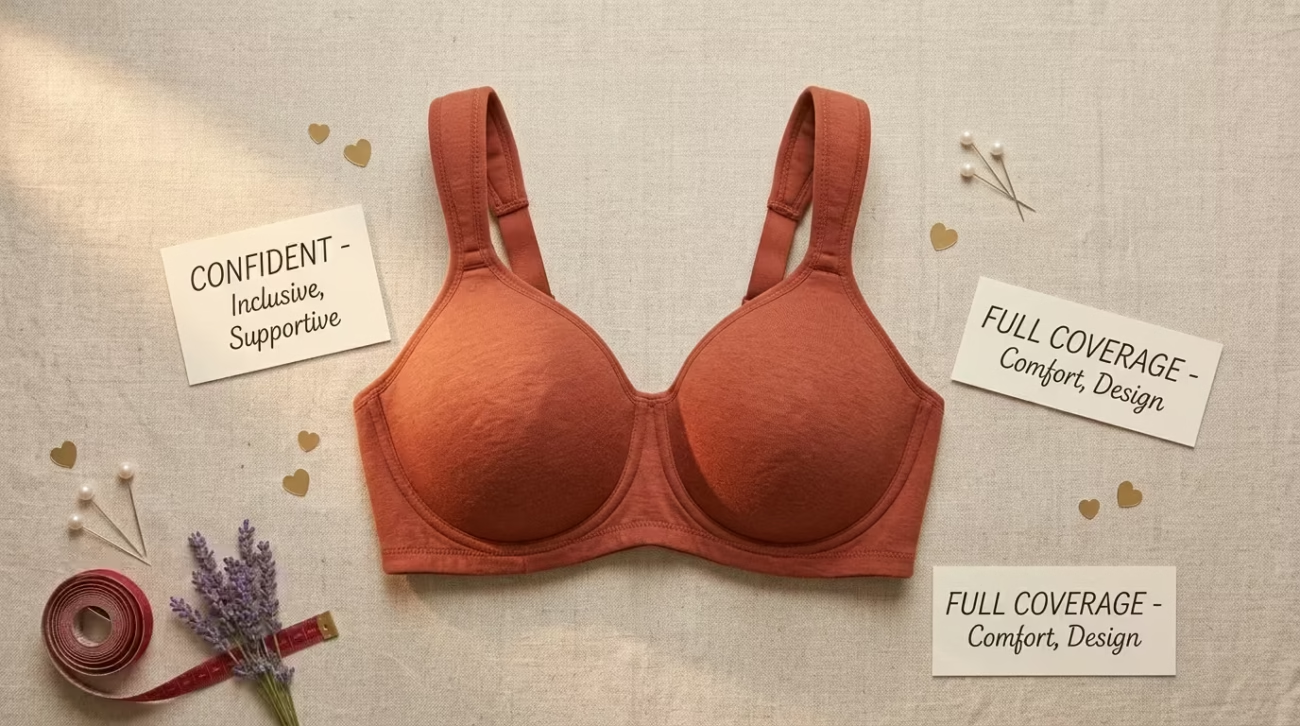
This trick is especially handy when shopping across different styles, since a balconette bra and a full-coverage bra in the same labeled size can still fit differently depending on the cut.
Choosing the Right Bra Style for Your Needs
Fit is only half the story. The right style depends on what you are wearing it under, how much support you need and your personal comfort preferences. Stocking a few different styles solves more outfit problems than owning ten of the same bra.
Your daily rotation should ideally include something smooth for fitted tops, something supportive for activity, and something soft for lounging or sleep so you are covered no matter the occasion. Pairing your bras thoughtfully with your everyday lingerie rounds out a wardrobe that works for every outfit and every mood.
Everyday and T-Shirt Bras
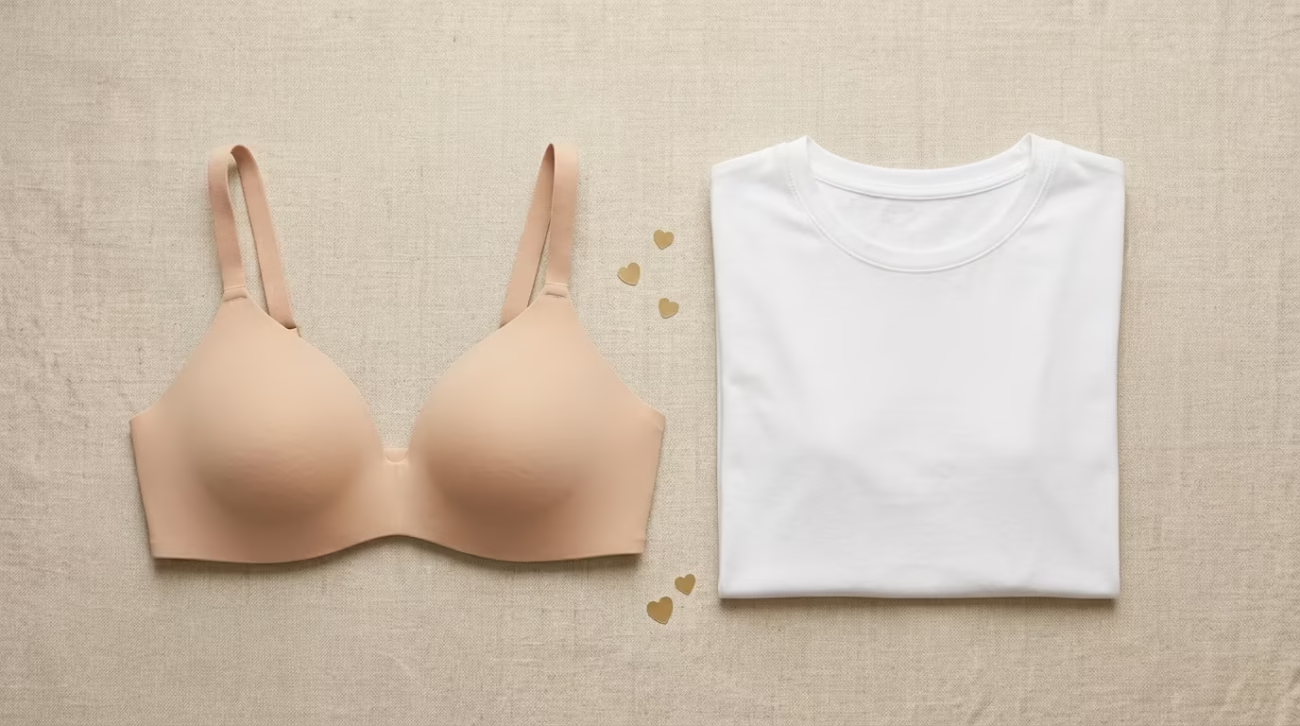
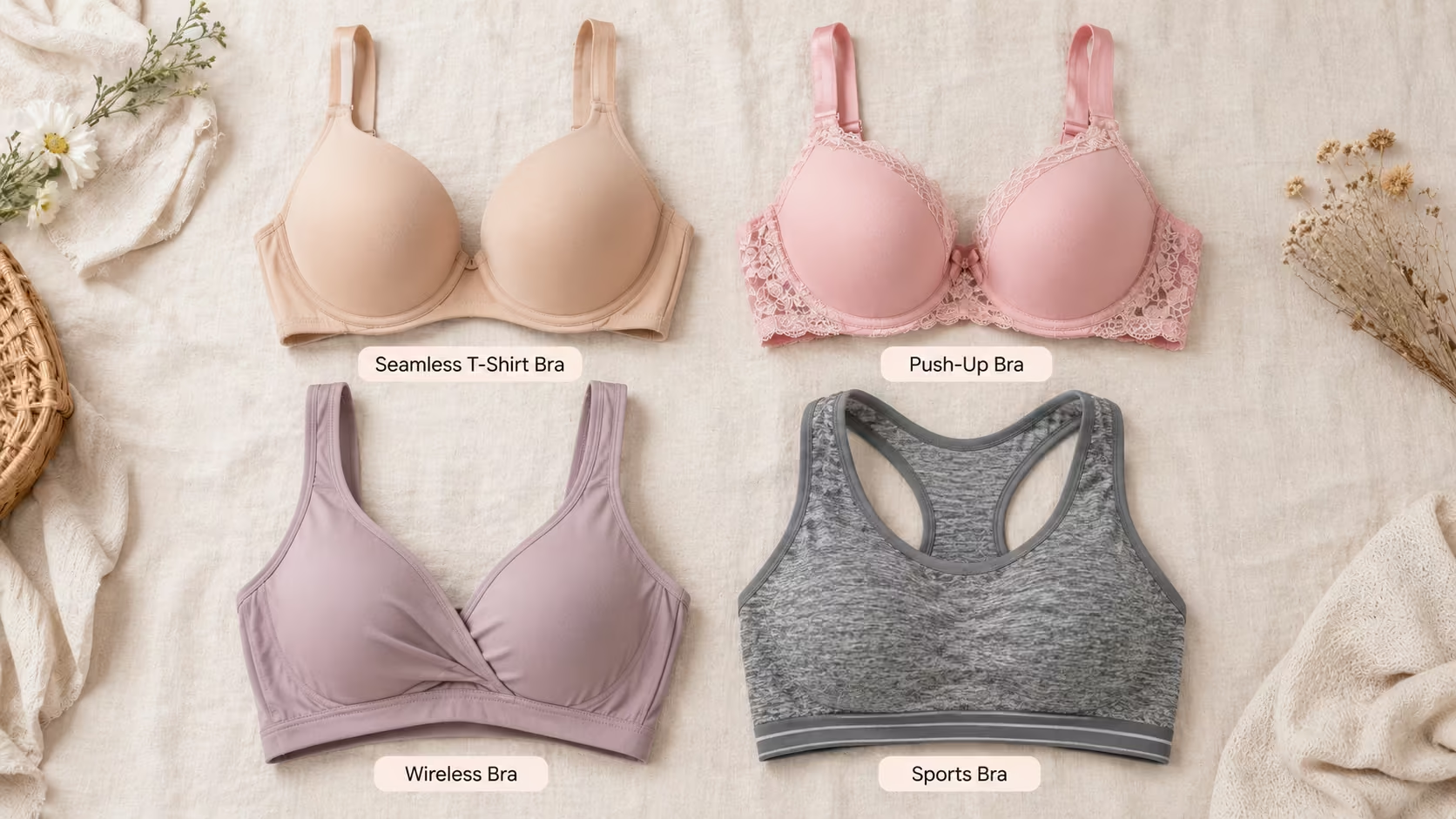
A smooth, seamless T-shirt bra is the workhorse of most drawers. The molded cups disappear under fitted tops and a well-chosen band keeps everything level and comfortable through a full day. Look for wide cushioned straps if you tend to feel pressure on your shoulders.
These bras work best in a neutral shade close to your skin tone, since that combination hides seams and edges under almost any fabric from cotton tees to silky blouses.
Push-Up and Wireless Bras
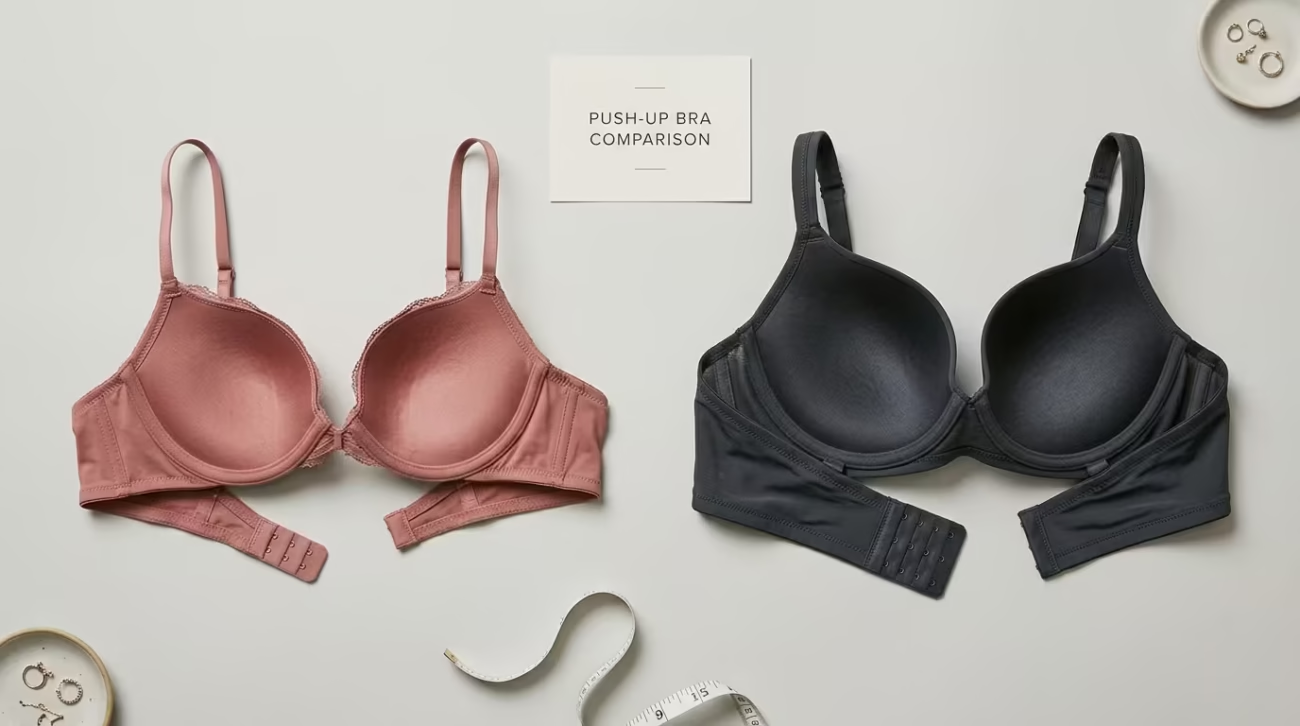
A push-up bra adds lift and shaping which many women reach for under lower necklines or fitted dresses. The padding and angled cups create noticeable definition without changing your actual size.
A wireless bra, on the other hand trades structure for softness. It skips the rigid underwire entirely, which makes it a favorite for lounging, sleeping or simply giving your body a break from firmer support styles.
Nursing and Sports Bras
A nursing bra uses front clips or drop-down cups for quick, discreet access and it is usually cut a little roomier to accommodate changes during breastfeeding. Comfort and easy one handed access matter more here than shaping.
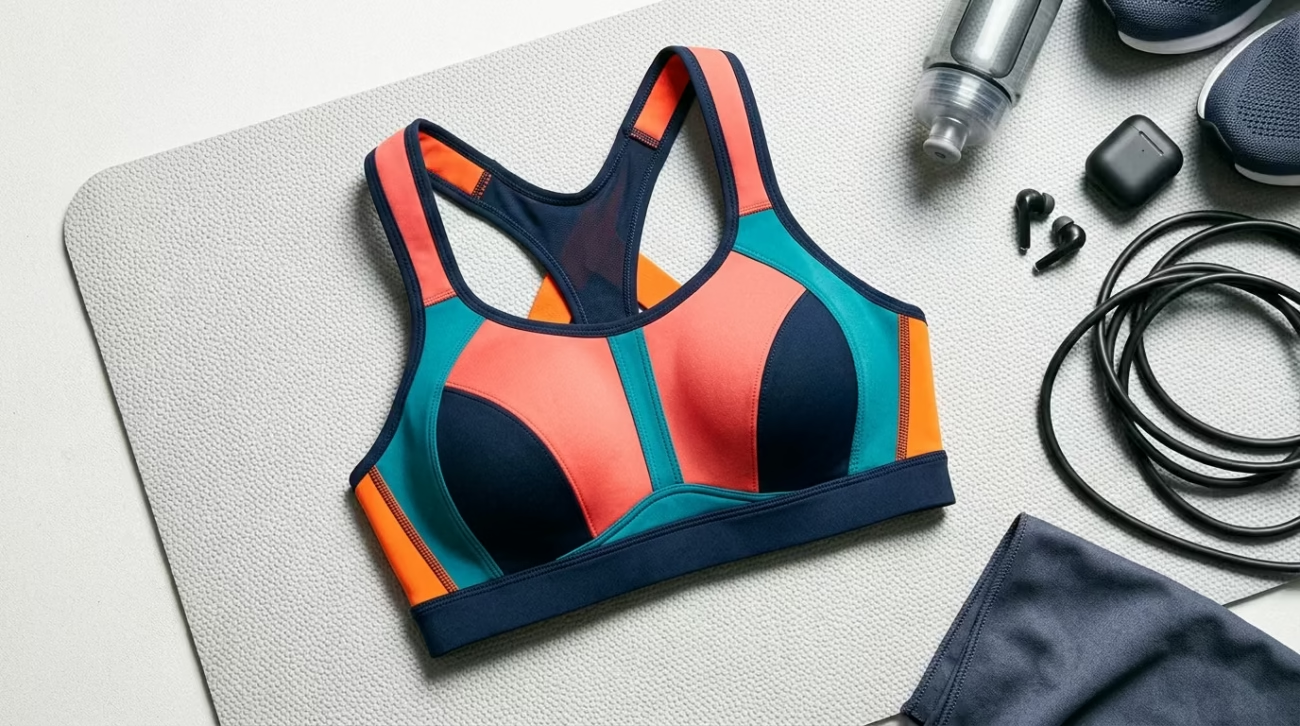
A sports bra prioritizes containment and reduced bounce during movement. Wider bands, encapsulated cups and moisture-wicking fabric all help keep you comfortable through a workout so it is worth choosing one rated for your specific activity level.
Signs It’s Time to Replace Your Bra
Even a well fitted bra does not last forever. Elastic fibers in the band stretch with repeated wear and washing, which is why a bra that fit perfectly last year might feel loose today. Watching for wear signs saves you from unknowingly wearing an unsupportive bra.
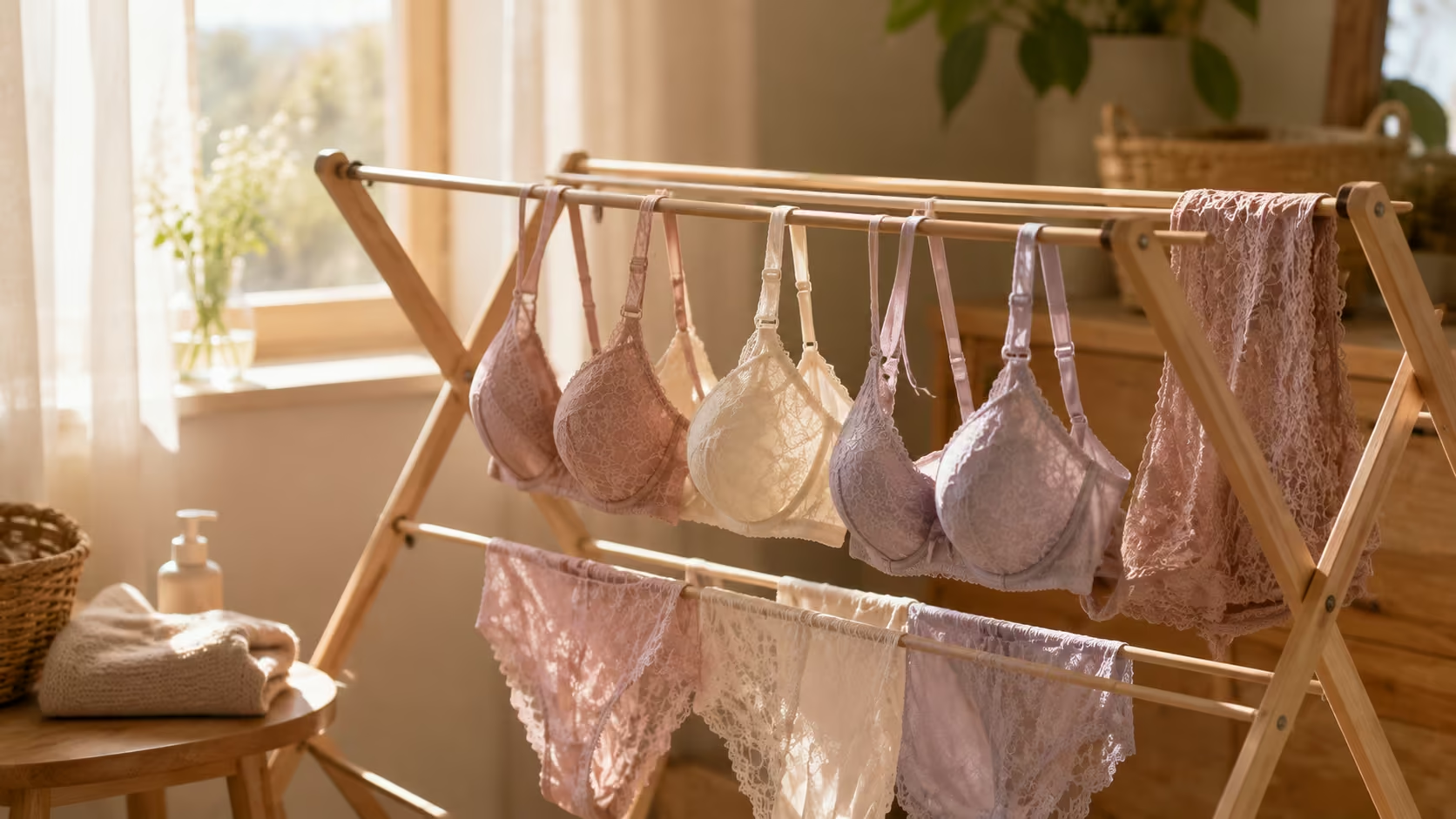
Rotating your bras and hand washing them when possible both extend their lifespan significantly, so a small change in laundry habits can delay the need to replace your favorites.
How Often to Get Remeasured
Most fit experts recommend remeasuring roughly every six to twelve months, or sooner after any significant weight change, pregnancy, or surgery. Your body shifts more often than most people expect, and a five-minute check-in keeps your size current.
If you notice the band no longer holds on the loosest hook, or the cups suddenly feel tight, treat that as a signal to remeasure rather than pushing through discomfort.
Caring for Your Bras to Make Them Last
Hand washing in cool water, or using a lingerie bag on a gentle cycle, protects the elastic far better than a regular wash and dry. Always let bras air dry flat instead of tumbling them in heat, which breaks down the fibers quickly.
Once your fit and rotation feel dialed in complete the look with matching panties in the same fabric and color for a coordinated, comfortable set.
Frequently Asked Questions
How do I know my bra size without a professional fitting?
Measure your band directly under your bust and your bust at its fullest point then compare the numbers on a standard size chart. This gives an accurate starting size for most shoppers.
What is the most common bra sizing mistake?
Most women choose a band that is too loose and cups that are too small, often because they default to whatever size stores stock most heavily rather than measuring properly.
How often should I replace my bras?
Plan to replace bras roughly every twelve to eighteen months, or sooner if the band has stretched out, the fabric looks worn, or the underwire pokes through.
What is a sister size and why does it matter?
A sister size shares the same cup volume as your usual size but uses a different band and cup letter combination, which helps when only the band feels off rather than the cup.
Can my bra size change over time?
Yes. Weight changes, hormonal shifts, pregnancy, and even aging can all affect band and cup size, so periodic remeasuring keeps your fit accurate.
How many bras should I own?
Rotating between at least three to four bras reduces daily wear on any single piece and helps each one keep its shape and elasticity for longer.
Why does my bra band ride up in the back?
A band riding up usually means it is too loose to support your bust weight on its own so the front pulls the back band upward. Sizing down the band typically solves it.
Should I buy bras online or get fitted in person?
Both work well once you know your measurements. Buying women’s bras online saves time and offers a wider style selection, especially when you measure carefully first.
Final Thoughts
Buying women’s bras online does not have to be a guessing game. Once you measure your band and cup correctly, understand how sister sizing works, and match styles to your daily needs, every order becomes far more likely to fit on the first try.Ready to shop with confidence.Explore our full range of women’s bras online, from everyday T-shirt bras to supportive sports bras and gentle nursing bras, and find the fit that finally feels effortless.